
[3rd Public Private Forum on Beyond SDGs Forum] Working Group Summary | Working Group 5: “Sustainable urban and peri-urban development”
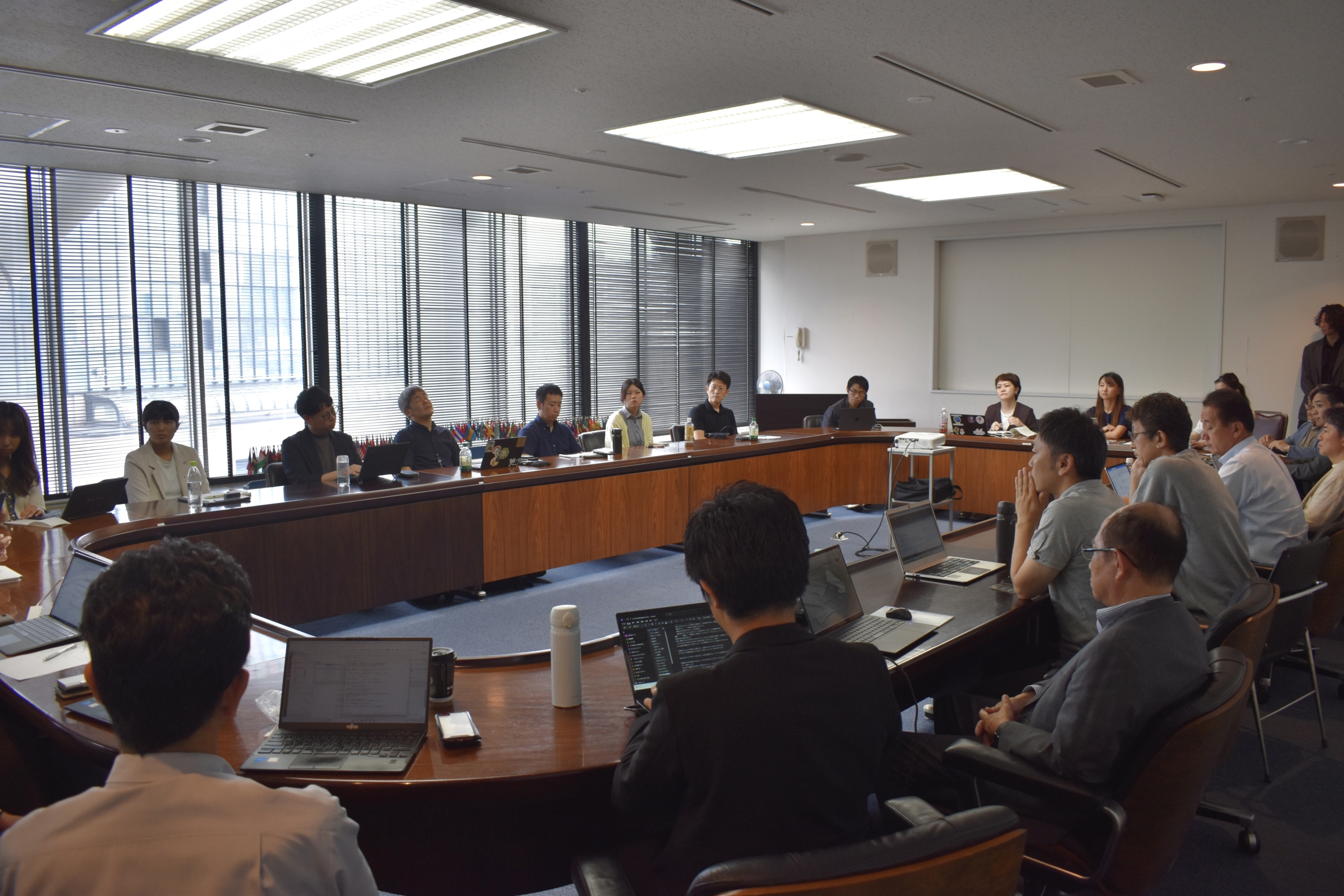
In Working Group 5, discussions centered on the need for a wide range of stakeholders to envision their ideal future—not only at the national level, but also across local communities, including prefectures and municipalities.
In envisioning the future of their communities from their respective standpoints, stakeholders must engage in ongoing dialogue—approaching it as an opportunity to identify constructive “issues” that improve conditions rather than merely dwelling on “problems”—and establish their own goals. In doing so, it is vital to look beyond formal residency and embrace the “connected population” (kankei jinko): individuals who support the area as passionate advocates or fans. This perspective is essential for collectively recognizing a region’s unique appeal and examining how communities and supporters can sustain one another.
Furthermore, for an earthquake-prone nation like Japan, maintaining multiple “hometowns” or deeply familiar communities is exceptionally critical from the perspectives of disaster risk diversification and mutual support.
At the same time, even when goals are established through dialogue, challenges remain in capturing these inputs and translating them into concrete policies. In Japan, local governments are currently advancing initiatives based on the Implementation Guiding Principles formulated under the SDGs Promotion Headquarters, headed by the Prime Minister. Participants shared a common understanding that this structure should be leveraged to establish mechanisms that channel grassroots dialogue into policy—bringing together diverse actors, including residents, educational institutions, and small and medium-sized enterprises (SMEs) alongside local governments and public administration, to discuss their ideal futures from multi-faceted angles.
Ultimately, whether within the SDGs or beyond, what is needed is a system—and an enabling framework—that empowers each country and local community to proactively pursue self-determined goals, rather than simply working toward targets handed down to them.