
Beyond SDGs Asian and ASEAN Multi-stakeholder Dialogue Report
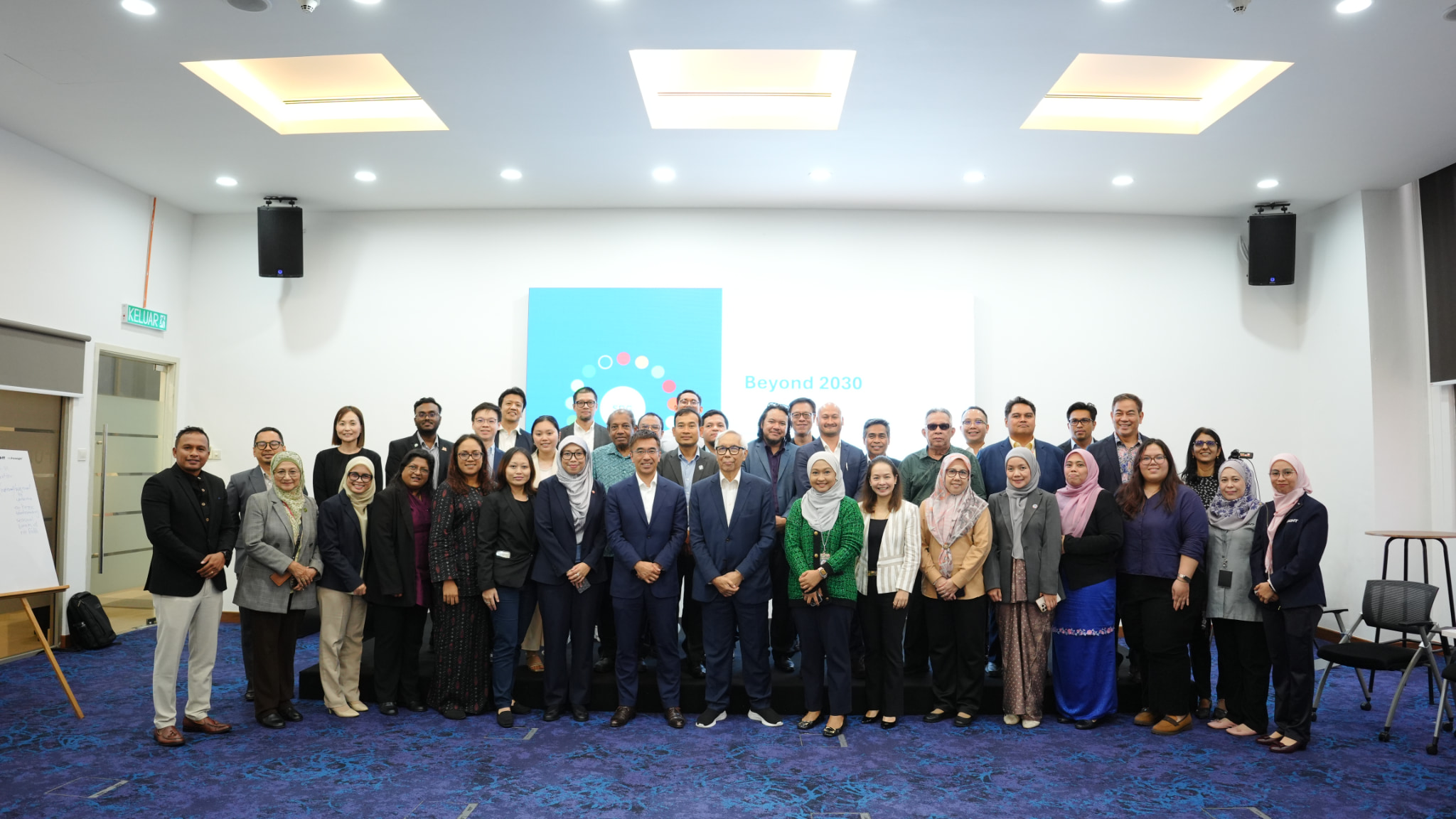
Date: 21 April 2026
Time: 09:00–17:30
Venue: Malaysian Industry-Government Group for High Technology (MIGHT), Putrajaya, Malaysia
Open Forum
Beyond SDGs 2030 – Asian and ASEAN Multi-stakeholder Dialogue Beyond 2030
9:00〜13:00(Auditorium, MIGHT)
【Program】
◼︎Welcoming Remarks
:Professor Emeritus Tan Sri Zakri Abdul Hamid, Joint Chairman (Government), MIGHT and Founding Director, Institute of Science Diplomacy and Sustainability (IISDS), UCSI University
◼︎Beyond SDGs Initiative Framing
:Professor Norichika Kanie, Graduate School of Media and Governance, Keio University and Co-director, Keio STAR
◼︎Malaysia SDG Context
:Dr. Alizan Mahadi, FormerSenior Director of Research, ISIS Malaysia
◼︎Panel Session1
「From Implementation to Transformation: ASEAN Perspectives on the Future of Development Governance」
Moderator:Alizan Mahadi
Speakers:
・Dr. Boediastoeti Ontowirjo, Deputy Chairman for Research and Innovation Policy, National Research and Innovation Agency of the Republic of Indonesia
・Dr. Hul Seingheng, Under Secretary of State Ministry of Industry, Science, Technology & Innovation, Cambodia
・Dr. Wardah Hakimah binti Hj Sumardi, Deputy director of Sustainability (Research, Innovation and Sustainability), University of Brunei Darussalam, Brunei Darussalam
・Mr. Anibal Antero Soares, Technical Specialist and Assistant to the Director General of Planning and Finance, Ministry of Higher Education, Science and Culture, Timor-Leste
・Dr. Orakanoke Phanraksa, Senior Intellectual Property Consultant National Science and Technology Development Agency (NSTDA), Thailand
◼︎Panel Session2
「Anticipating the Next Frontier: Emerging Domains and the Reconfiguration of Global Sustainability Governance」
Moderator:Norichika Kanie
Speakers:
・Dr. Arvin C. Diesmos, Biodiversity Knowledge Management ASEAN Centre for Biodiversity, Philippines
・Dr. Zurina Moktar, Assistant Director/Head, Science & Technology Division, ASEAN Economic Community (AEC) Department, ASEAN Secretariat
・Dr Richard Marshall, Senior Economist, Office of the UN Resident Coordinator for Malaysia, Singapore and Brunei Darussalam
・Dr. Revati Phalkey, Director, United Nations University International Institute for Global Health (UNU-IIGH)
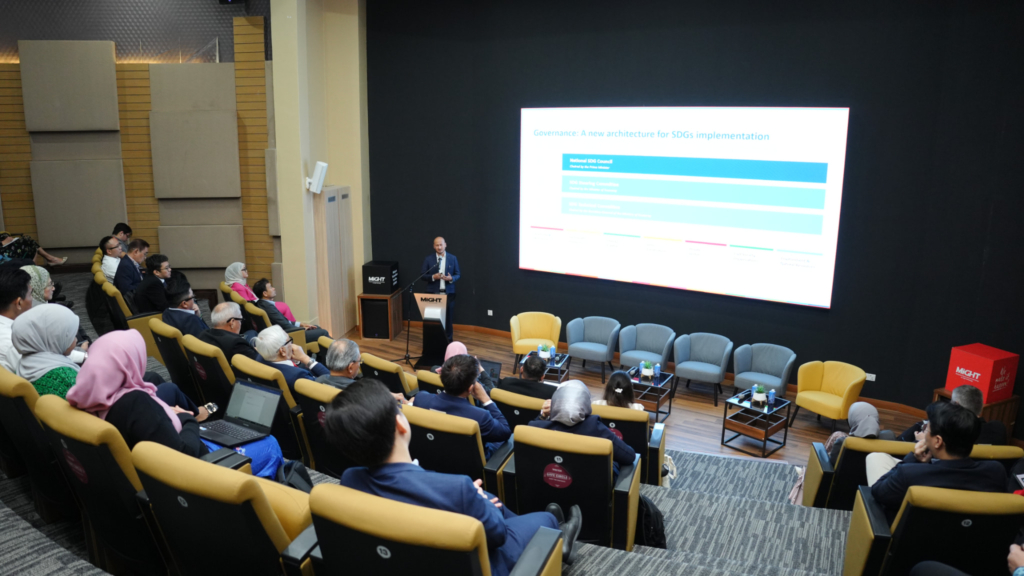
This session formally launched the Beyond SDGs Asian and ASEAN Multi-stakeholder dialogue by situating the Beyond SDGs initiative within the approaching 2030 milestone and the emerging policy window toward the 2027 SDG Summit and post-2030 agenda-setting.
The opening remarks by Prof Emeritus Tan Sri Zakri Abdul Hamid emphasized that the SDGs remain highly relevant but unfinished and that they have provided a common language and a global reference point, yet implementation has been uneven, fragmented, and often more effective as a reporting framework than as a driver of transformative change. He argued that the answer is not to abandon the SDGs, but to ask how lessons from the SDGs can inform the future of development governance beyond 2030, and emphasized that the Southeast Asian and ASEAN focus is essential. Drawing on his experience in international relations and science diplomacy, he cautioned against simply realigning with views originating from outside the region. Instead, he urged participants to respond from ASEAN’s own knowledge base and to articulate what ASEAN can contribute to future global discussions, drawing from lessons on balancing development with sustainability, managing diversity, strengthening regional cooperation, and responding to changing circumstances.
Prof. Norichika Kanie introduced the motivation behind the Beyond SDGs project, noting that current SDG implementation remains off track and that sustainability action must continue beyond 2030. He emphasized transformation pathways, the 2027 policy window, Beyond GDP discussions, and the need to collect Asian and ASEAN perspectives as inputs into future global discussions.
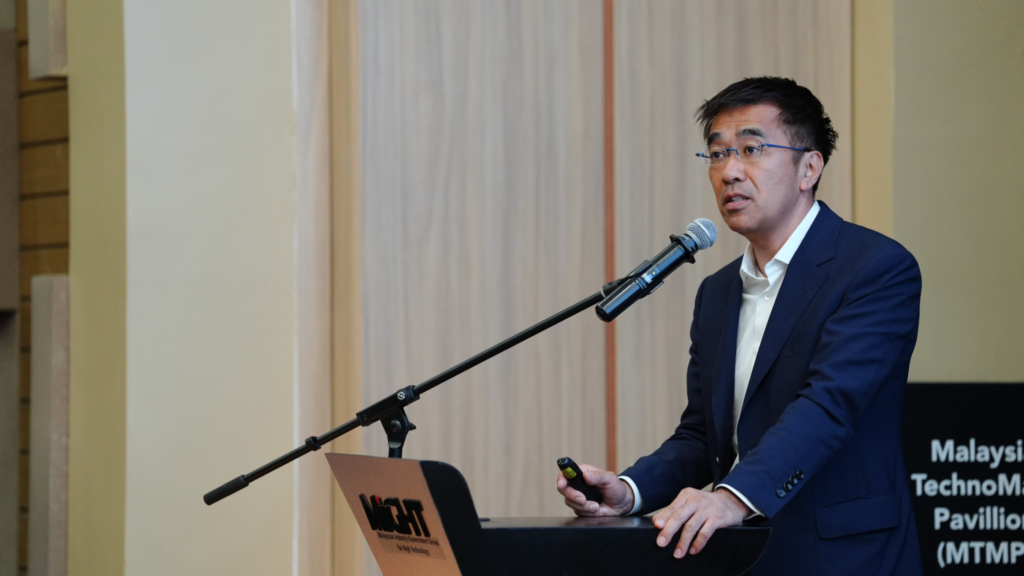
Dr. Alizan Mahadi gave an overview of the Malaysian SDG context, on both progress and remaining challenges. Malaysia has integrated the SDGs into national planning cycles, created SDG governance structures, strengthened localization through VLRs and local summits, and improved statistical systems and disaggregated data. However, challenges remain in areas such as child stunting, female labor participation, birth registration, underemployment, R&D spending, wage share, greenhouse gas emissions, forest cover, and biodiversity. He concluded by raising key post-2030 design questions: whether the framework should remain non-binding, whether the 17-goal architecture still fits, where the agenda is made, what implementation methodology is needed, and how trade-offs should be managed.
Panel Session 1 titled ‘From Implementation to Transformation: ASEAN Perspectives on the Future of Development Governance’ focused on the ASEAN experiences in moving from implementation to transformation. Speakers from Indonesia, Thailand, Timor-Leste, Cambodia, and Brunei Darussalam shared country-specific experiences. Common themes included the integration of SDGs into national development plans, the importance of STI, mission-oriented research, data systems, human capital, policy coherence, local and regional cooperation, and the persistent difficulty of scaling innovations beyond pilots. Several speakers emphasized that SDG implementation has generated institutional gains, but has not always produced structural transformation.
The Q&A following Panel Session 1 focused on science diplomacy, intellectual property, open innovation, technology transfer, data gaps, aging societies, resilience, ESG–SDG linkages, and the limits of the current multilateral system. Participants argued that ASEAN should strengthen its science diplomacy capacity and build regional ownership rather than merely respond to externally defined global agendas.
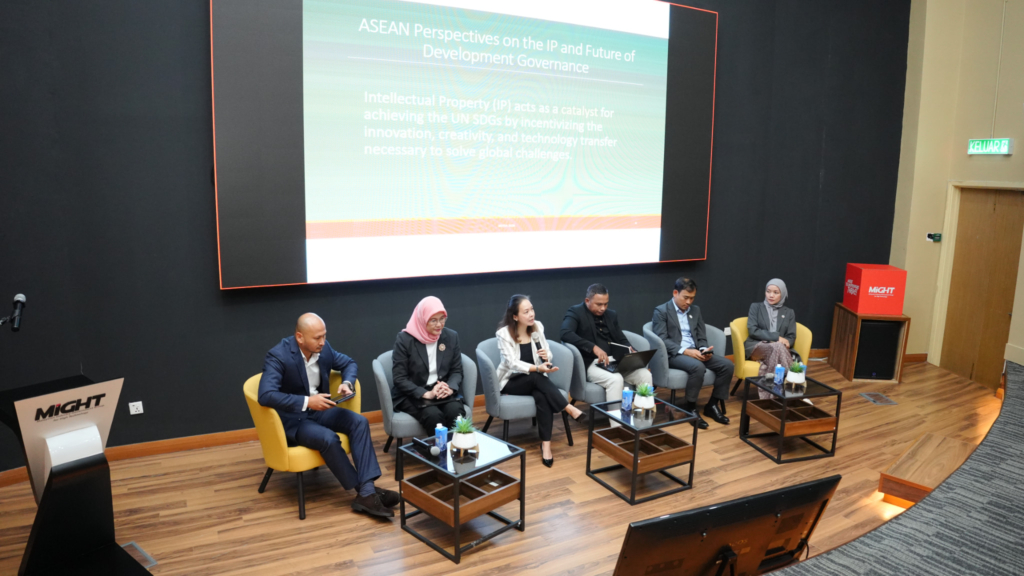
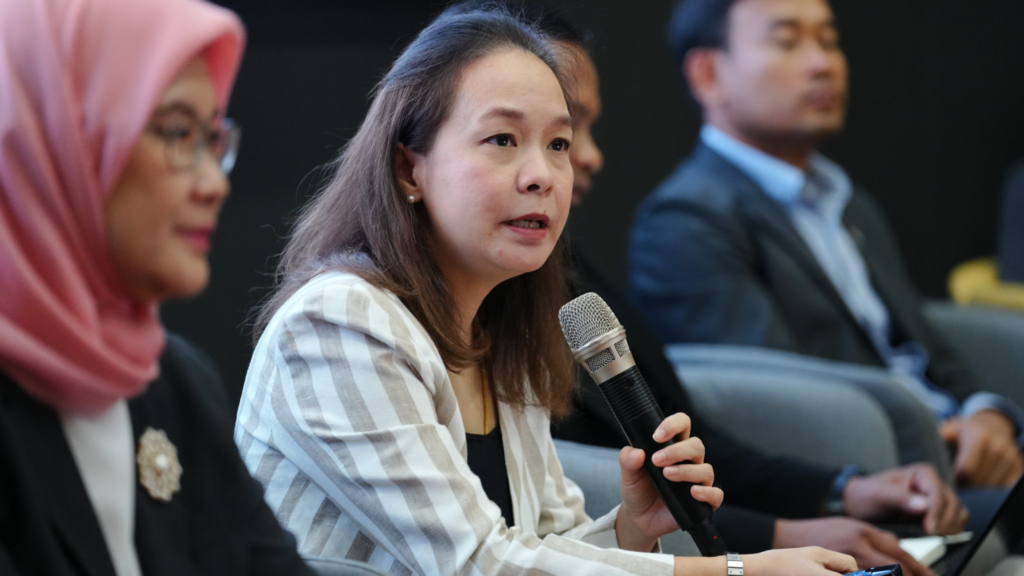
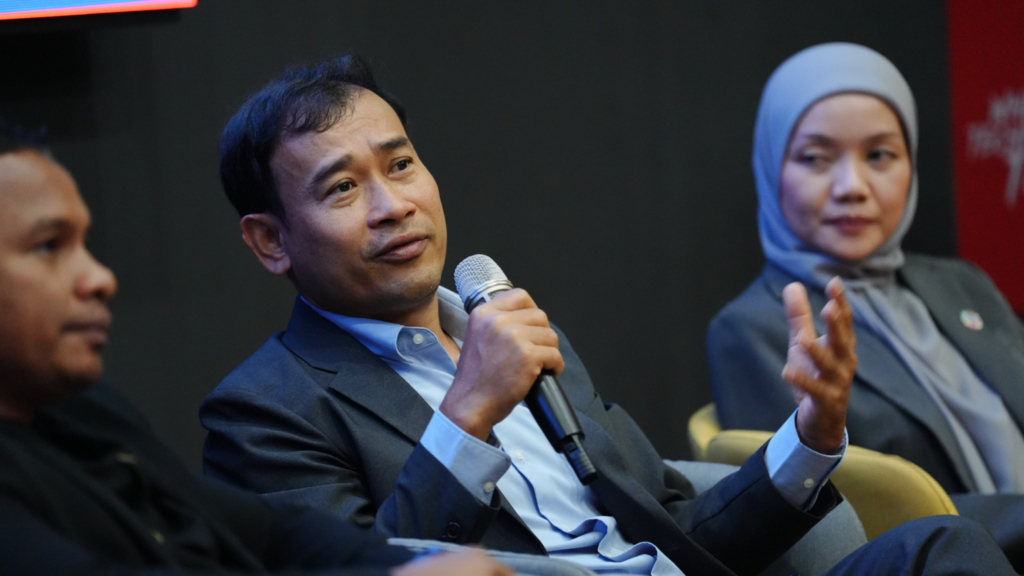
Panel Session 2 on ‘Anticipating the Next Frontier: Emerging Domains and the Reconfiguration of Global Sustainability Governance’ shifted toward emerging domains and the reconfiguration of global sustainability governance. The panel identified natural capital accounting, AI, real-time data systems, climate resilience, risk and resilience, youth and future generations, inequity, power dynamics, financing, displacement, migration, and health system transformation as under-addressed or insufficiently integrated areas in the current SDGs. Panelists also discussed governance mechanisms, emphasizing regional platforms, ASEAN sectoral bodies, networks, participatory approaches, UN reform, international financial architecture reform, accountability, science diplomacy, and multi-level coalition-building.
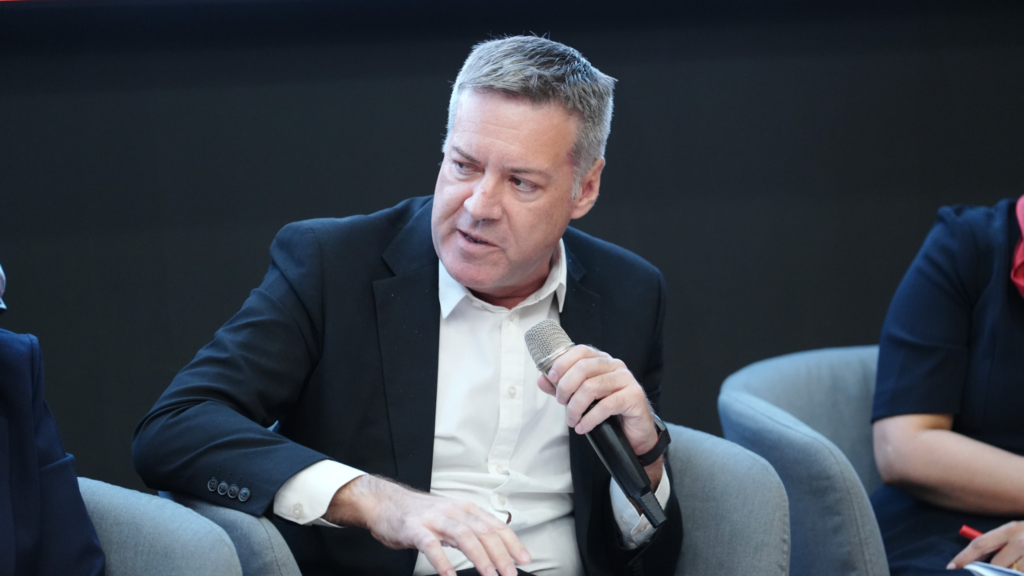
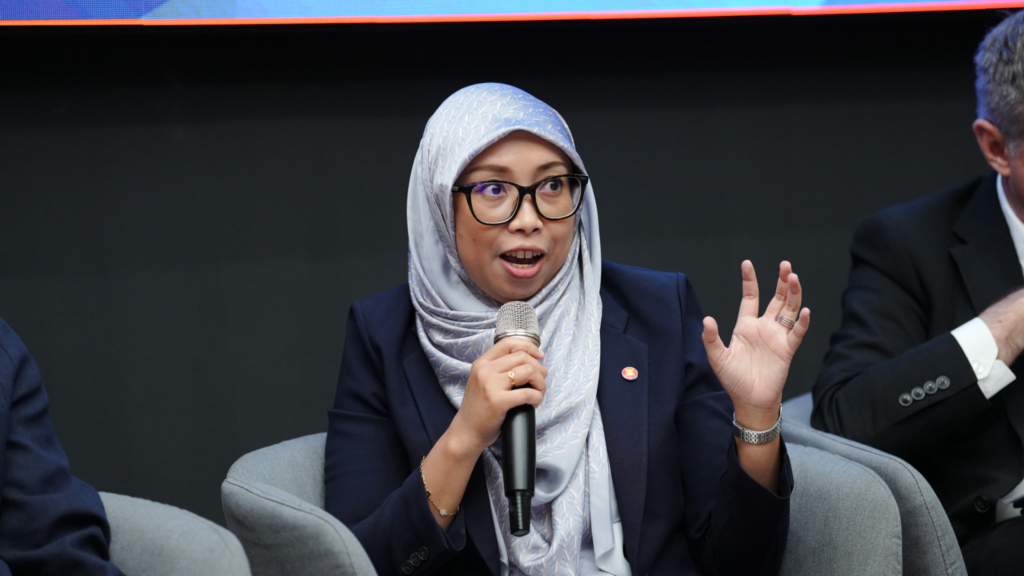
The morning session concluded with Prof Kanie’s reflection that the strength of “governing through goals” lies in defining ideal future states and back-casting toward present action. He encouraged participants to think beyond existing horizons toward 2050 and beyond, while using the afternoon interactive session to develop concrete proposals for the future of the SDGs.
A central message throughout the morning was that the purpose of the Beyond SDGs project is not simply to imagine a new list of goals, but to examine what has worked, what has failed, and what institutional reforms, governance mechanisms, and emerging priorities should shape the future framework. ASEAN was repeatedly framed not only as an implementation region but as a knowledge-generating region that should contribute its own views, experiences, and priorities to global deliberations.
Interactive session
Effective of institutional mechanisms for SDGs implementation, and the Future Pathways of SDGs
14:30〜17:30(Meeting room, MIGHT)
【Program】
◼︎Interactive session
◼︎Break-out Session
◼︎Overview
◼︎Key messages and Closing Reflections
The afternoon session comprised of an interactive session and break-out style workshop, where participants discussed the current and future of sustainable development frameworks including the SDGs.
The interactive session was designed as a participatory space to gather regional and multi-stakeholder perspectives on the future of the SDGs beyond 2030. Dr. Alizan Mahadi opened the session by emphasizing that the Beyond SDGs project is not intended to impose a predetermined position, but to collect views that can inform the shaping of a future sustainable development framework.
The initial Mentimeter exercise showed that participants regarded coordination, fragmentation, political will, financing, behavior change, data management, localization, and governance as major obstacles to effective SDG implementation. The SDGs were generally seen as useful but insufficient, with an average effectiveness score of around 2.9 out of 5. Most participants leaned toward either largely inheriting the SDG framework or retaining it with significant revisions, while a minority argued for a fundamentally new framework. The preferred future target year appeared to cluster around 2040 and 2050, though one participant argued for a longer 2100 horizon to stress that governance mechanisms matter more than timelines alone.
Emerging themes identified for future sustainability frameworks included AI, humanizing AI, emerging technologies, synthetic biology, health and equity, planetary health, education, climate resilience, and broader systemic change. Participants saw regional mechanisms, especially ASEAN, and multi-stakeholder partnerships as promising levels for improving implementation effectiveness, while global and national levels were viewed as less immediately promising by some participants.
A substantial discussion followed on the relationship between education, political will, leadership, ethics, and economic systems. Prof Emeritus Tan Sri Zakri Abdul Hamid emphasized political commitment as a decisive missing factor, while other participants argued that political will is linked to education, values, ethics, and the structure of the economic system. The discussion broadened into the importance of leadership, social behavior, enforcement, and the gap between sustainability discourse and actual practice.
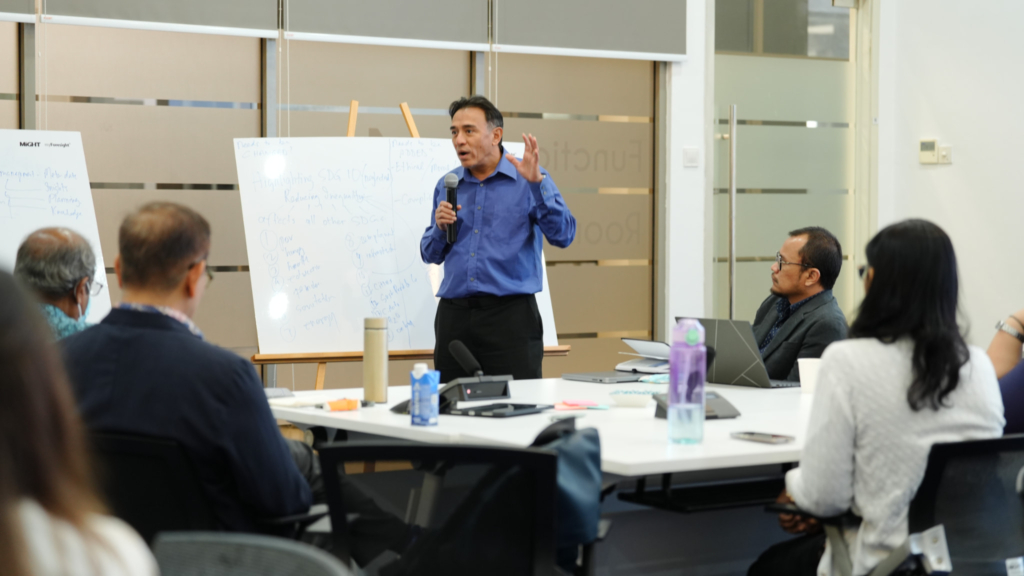
Before the group discussion, Prof Emeritus Tan Sri Zakri Abdul Hamid provided historical context, tracing the evolution from the Brundtland Commission and Agenda 21 to the MDGs and SDGs. He argued that the central purpose remains the response to existential threats, particularly climate change and biodiversity loss. He also stressed that ASEAN should not merely respond to externally produced global agendas, but should identify what the region can contribute, including biodiversity richness, access and benefit sharing, and indigenous knowledge.
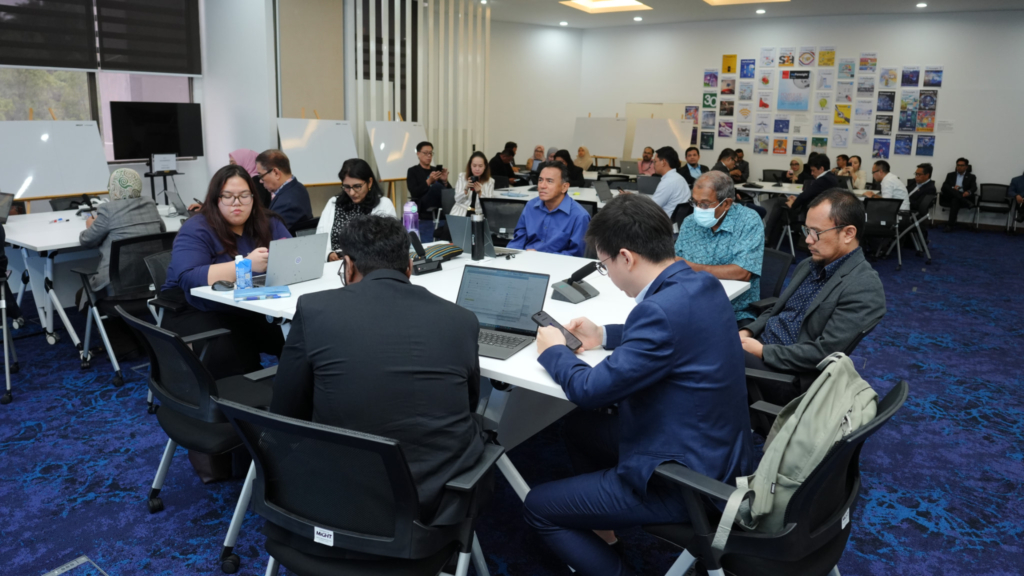
The table-based discussions used a “Keep, Change, Add” framework. Across the group outputs, a broad consensus emerged that the SDGs should not be discarded wholesale. Participants generally supported keeping the broad framework, reporting processes, the Five Ps, and several existing goals. However, they called for stronger integration across goals, more attention to inequality, improved data use and impact analysis, stronger compliance and enforcement mechanisms, localization, cultural relevance, integrated reporting, real-time monitoring, public participation, corporate accountability, and greater recognition of local governments and VLRs. One group proposed a more bold “Planetary Survival Framework” linked to 2050 and planetary survival financing. Another group reviewed the SDGs goal by goal, proposing selective merging, retention, and expansion, especially around food, water, energy security, indigenous peoples, culture, biodiversity, ethics in governance, and political will.
In closing, Prof Norichika Kanie emphasized that the dialogue is the beginning of a longer journey toward providing input by 2027 and continuing toward 2030. He highlighted the need for scientific input, research, and opinion mapping to enrich future dialogue. Prof Emeritus Tan Sri Zakri Abdul Hamid called for stronger youth participation, recognition of diverse expertise, equal partnership for ASEAN in global processes, and the understanding that no stakeholder is a bystander in shaping global human well-being.
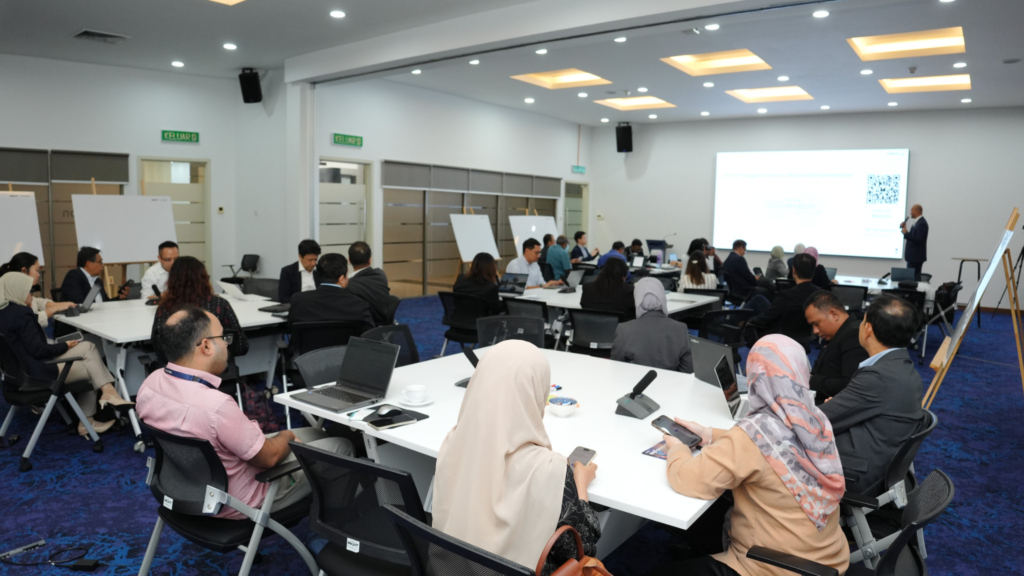
Photo:MIGHT