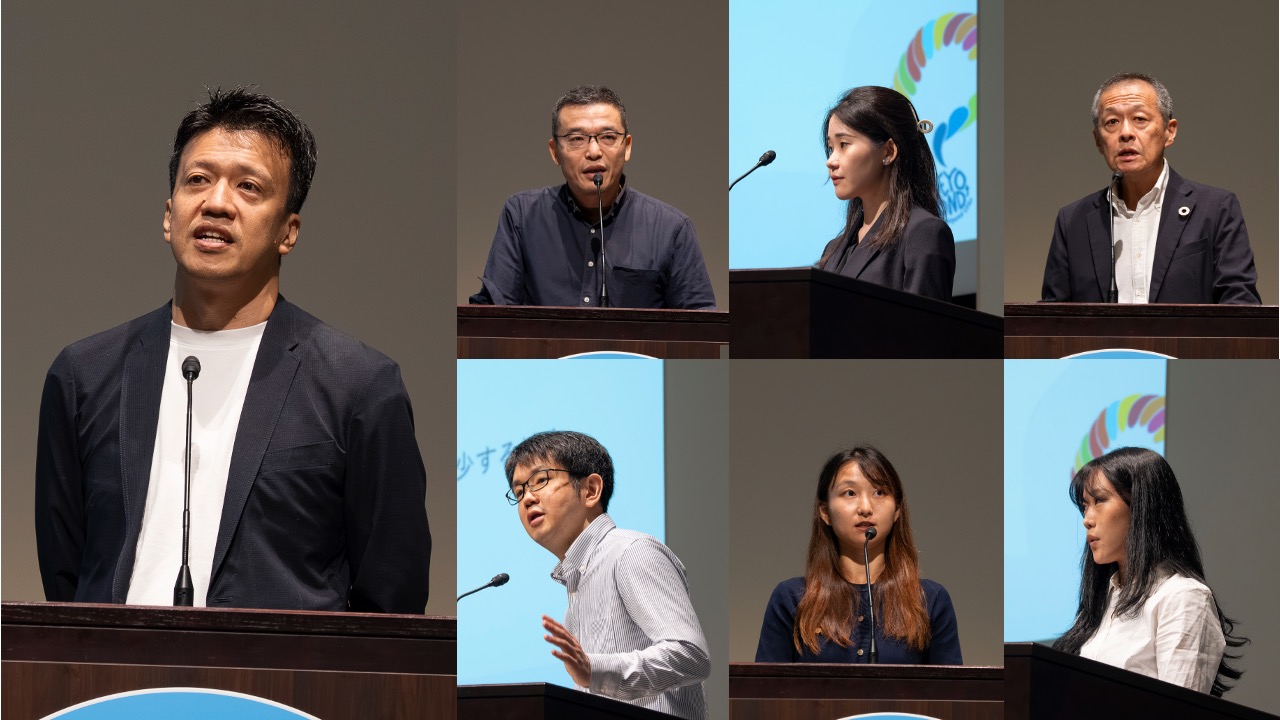
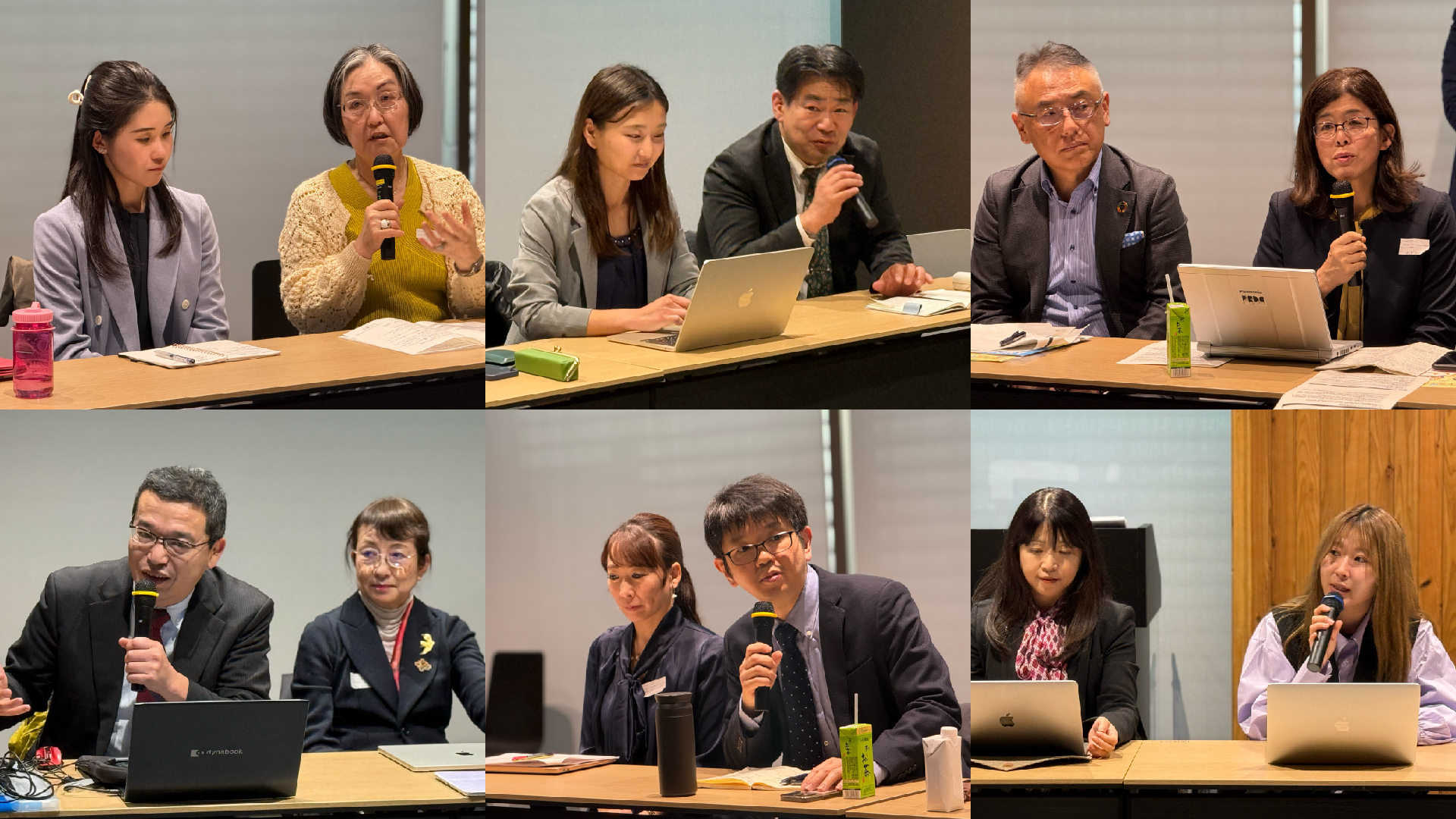
Working Group Information
To build a social model for the era "Beyond SDGs," the Public Private Forum on Beyond SDGs has established specialized Working Groups based on the six "Entry Points" proposed in the UN’s Global Sustainable Development Report (GSDR).
Diverse stakeholders from industry, government, academia, and civil society engage in multifaceted dialogues covering human well-being, economic systems, and the global environment. Moving beyond simple knowledge sharing, we aim to transcend traditional silos to co-create concrete action plans and drive social implementation through cross-sector collaboration.
Working Group Overviews
Human well-being and capabilities
At the heart of the transformation toward sustainable development lies the enhancement of human well-being and capabilities. The GSDR emphasizes that access to health, education, income, and a safe, clean environment—as well as resilience to disasters—are not only the "outcomes" of development but also the "foundations" that drive systemic change. However, persistent challenges such as poverty, inequality, and multidimensional deprivation cannot be solved by economic growth alone. This working group will deepen discussions on robust institutional designs and support systems to realize a society where "no one is left behind," focusing on universal provision of basic services and strategic investment in capacity building.
Co-Chairs:
| Atsuko Miwa | (Co-chair, Japan Civil Society Network on SDGs) |
|---|---|
| Masaki Inaba | (Program Director, Global Health, Africa Japan Forum) |
Sustainable and just economies
Current production and consumption patterns impose a heavy burden on the environment, leading to a concentration of wealth and widening inequality. Policy management relying solely on GDP as an indicator has reached its limits. The GSDR calls for a shift to view the economy as a "means" to enhance human capabilities, and stresses the need to align financial flows with sustainability goals. This working group discusses the transformation of our economic system into one that operates within planetary boundaries while ensuring fair opportunities for all, including mechanisms to reflect externalities in pricing and promoting investment in sustainable pathways.
Co-Chairs:
| Mariko Kawaguchi | (Board member, Global Compact Network Japan / Spcially Appointed Professor, Rikkyo University) |
|---|
| Erina Kondo | (Member, G7/G20 youth Japan) |
|---|
Sustainable food systems and nutrition patterns
Food is the bedrock of survival, yet our current system suffers from structural contradictions, including the coexistence of hunger and obesity alongside severe environmental degradation. The GSDR calls for a departure from conventional extended agriculture toward a transformation that ensures equitable access to nutrition and minimizes environmental impact. This working group explores "sustainable food" by combining technological innovation, agroecological methods, and shifts in consumer values. We aim to discuss upon food supply models that can meet future demands while coexisting harmoniously with the natural environment.
Co-Chairs:
| Jiro Ito | (Executive Director of the Japan Cooperative Alliance [JCA]) |
|---|
| Yasuko Kono | (Board member, Japan Consumer's Association) |
|---|
Decarbonizing energy systems and universal energy access
Access to energy is a prerequisite for human well-being, yet fossil fuel dependence is the primary driver of the climate crisis. The GSDR highlights the need to reconfigure the entire energy system while ensuring universal access to clean electricity. Significant challenges remain in modernizing power grids and decarbonizing transport. This working group discusses the roadmap to a society where everyone can enjoy affordable, clean energy by reforming fossil fuel subsidies, shifting investments, and leveraging decentralized energy resources to accelerate decarbonization.
Co-Chairs:
| Takahiro Ueno | (Senior Researcher, Central Research Institute of Electric Power Industry) |
|---|
| Asako Kimura | (CEO, PR Co., Ltd.) |
|---|
Sustainable urban and peri-urban development
With approximately 70% of the global population projected to live in cities by 2050, urban areas are both hubs for challenges and epicenters for transformation. The GSDR underscores the importance of shifting toward inclusive and resilient urban models to mitigate risks caused by unplanned urbanization. This working group focuses on public transport and pedestrian-centric planning,energy efficiency, and green space integration. Through data-driven policymaking and citizen participation, we discuss the formation of "sustainable cities" that are liveable and resilient, in harmony with surrounding rural areas.
Co-Chairs:
| Moeko Onuki | (Co-Head, SDGs-SWY) |
|---|
| Yukiko Masuda | (Director, Regional Co-creation / SDGs Promotion, Policy Bureau, Kanagawa Prefectural Government) |
|---|
Global environmental commons
The "global environmental commons"—including the atmosphere, oceans, and biodiversity—form the shared foundation supporting human well-being. However, the Earth system is now reaching its limits due to impacts from climate change, pollution, among others. The GSDR, in addition to international agreements, calls for concrete actions by local communities and the private sector along with a fundamental transformation, to keep resource use within the earth's regenerative capacity. This working group discusses actions to promote protection and restoration at all levels, including the valuation of externalities and fostering awareness through education.
Co-Chairs:
| Tomoko Seiichi | (Professor, Seinan-Gakuin University) |
|---|
| Teruyuki Takeda | (Co-Head of Policy Advocacy, Japan Youth Platform for Sustainability [JYPS]) |
|---|