
[3rd Public Private Forum on Beyond SDGs Forum] Working Group Summary | Working Group 6: “Global environmental commons”
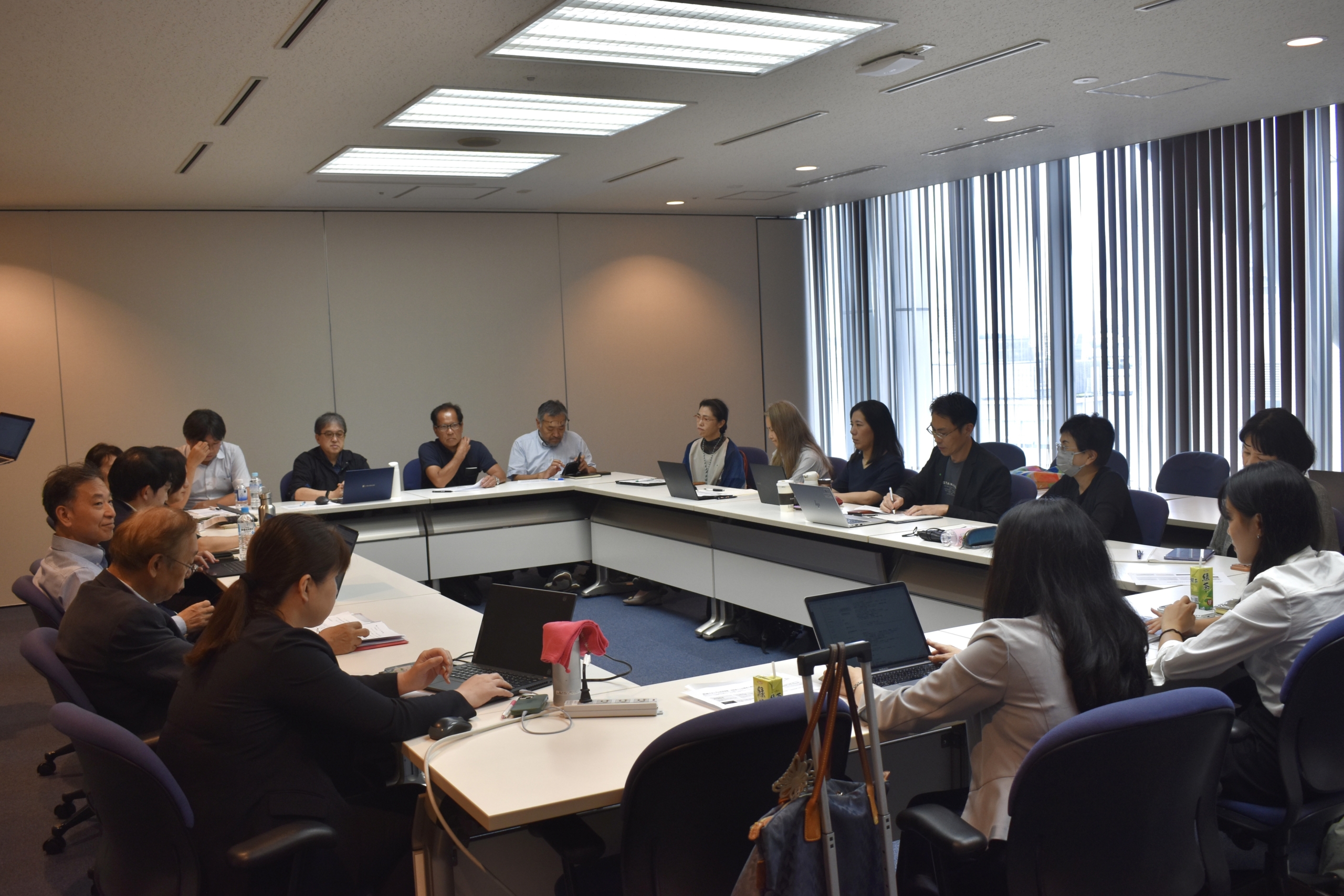
In Working Group 6, based on the discussion points shared in the 1st and 2nd Forums, discussions were conducted focusing on the “desired society,” “target frameworks,” and “means of implementation and governance.”
First, regarding the approach to target setting, the importance of long-term perspectives—as represented by the indigenous concept of “Seven Generations”—was shared. Opinions were also expressed regarding the difficulty of deciding present actions while specifically imagining a future 100 or 200 years ahead. Furthermore, taking into account that societal conditions have changed significantly since the formulation of the SDGs in 2015—including the rapid advancement of AI, geopolitical shifts, climate change, and biodiversity loss—discussions were held on the need for a framework that, rather than merely setting fixed targets for 2030 or 2050, can periodically update targets and milestones in accordance with scientific insights and societal changes under a long-term vision.
In addition, regarding how to maintain and manage global environmental commons, a shared recognition emerged that “good intentions alone will not sustain it.” Because environmental conservation incurs costs, opinions highlighted that diverse entities—such as corporations, citizens, and governments—must fulfill their respective roles, while constructing governance that includes sustainable financial flows and institutional design is crucial.
Furthermore, it was shared that while science and technology—including AI—generate new challenges, they also possess immense potential toward conserving global environmental commons and solving social issues. Discussions were also deepened on the importance of a “science, technology, and society” perspective—considering how to position, utilize, and link science and technology with values and institutions within society, rather than making technology an end in itself.
Discussions were also held anew regarding the concept of “what are global environmental commons,” exchanging views from diverse perspectives on their scope, responsible actors, and means of implementation. While setting human-nature coexistence as a fundamental philosophy, a shared direction for considering Beyond SDGs moving forward emerged: long-term vision, flexible target setting, collaboration among diverse stakeholders, and the construction of governance integrating science, technology, and society. Finally, a deep common understanding was reached that to sustainably support global environmental commons, it is essential not only to design institutions, but to foster awareness across society as a whole through individual behavioral shifts, education, and human resource development.