
[3rd Public Private Forum on Beyond SDGs Forum] Working Group Summary | Working Group 4: “Decarbonizing energy systems and universal energy access”
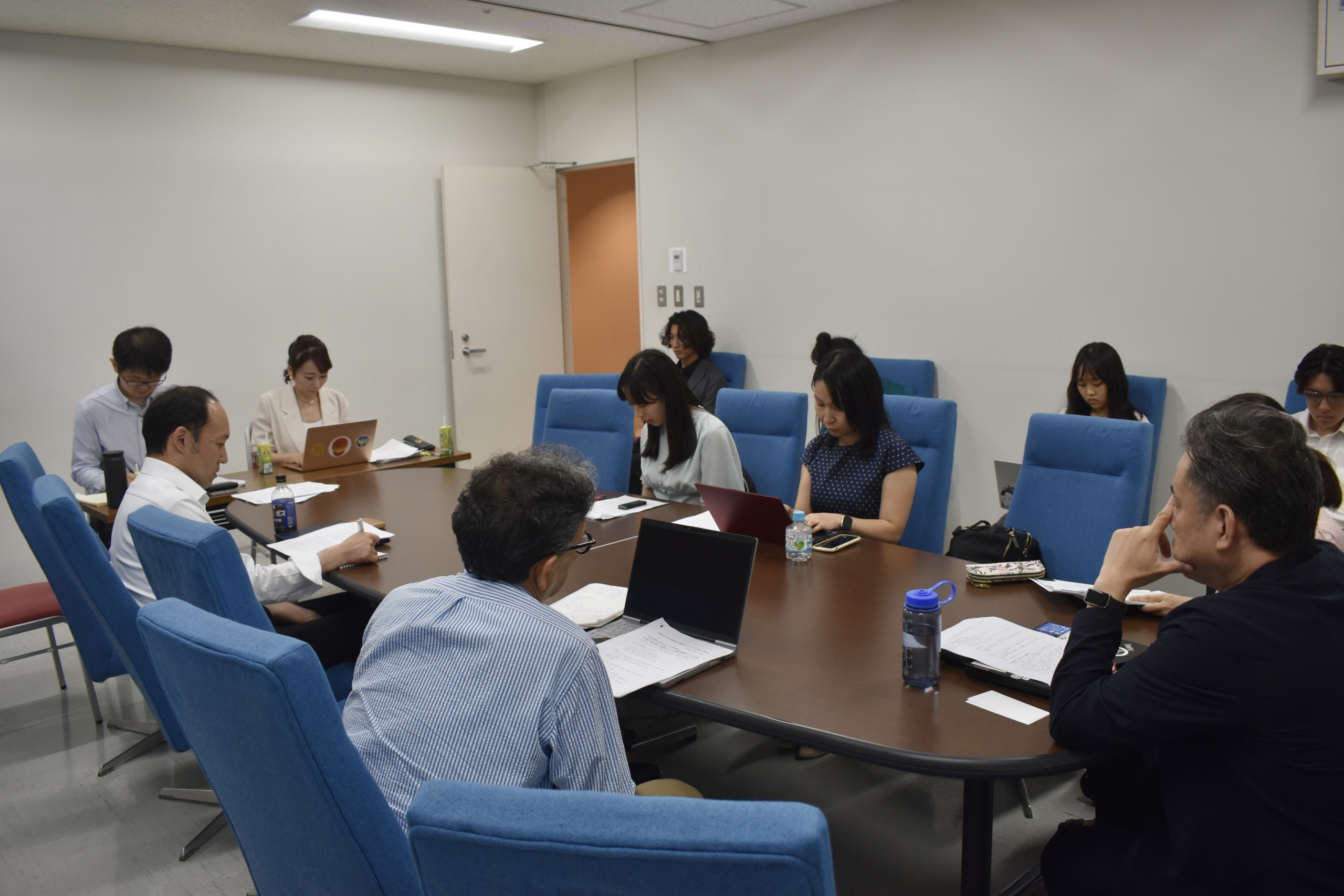
The Secretariat of the Public Private Forum on Beyond SDGs presented four discussion themes for the working groups: (1) “Perception of current challenges,” (2) “Direction of desired society,” (3) “Target frameworks,” and (4) “Broad framework for means of implementation and governance.” Across the 1st and 2nd meetings, participants presented the following opinions regarding each theme.
Perspectives on (1) “Perception of Current Challenges”
●Trade-offs in specific issues:
・Surging electricity demand from data centers vs. increased emissions from power generation and disruption of energy access
*In addition to carbon emissions, trade-offs also include water resource consumption and the increase in e-waste (outflows to developing countries).
・Low energy density renewables vs. land use and ecosystems
・Introduction of new fuels such as SAF (Sustainable Aviation Fuel) vs. offsetting with low-cost carbon credits
・Air travel mobility vs. CO2 emissions plus risks of infectious diseases and terrorism
・Japan’s high-cost renewable energy structure vs. benefits to sectors supported by intermediate margins (including local businesses and local financial institutions in siting regions) considered causes of high costs
・Locally produced energy utilization vs. cost increases
●Macro trade-offs:
・Urban vs. rural regions
*While power consumption is concentrated in urban areas, supply sources are predominantly in regional areas. How to maintain infrastructure in regions facing population decline.
・Cost and economic development vs. security (stable supply, geopolitical risks) and environmental integrity
・Developed vs. developing nations
・Youth vs. senior citizens
●Others:
・”SDG fatigue” (decline in internal understanding/cooperation within corporations, declining awareness in local communities, etc.)
・Aging of environmental personnel in corporations, posing a risk of mass retirements within 5 years. On the other hand, few younger employees desire to work in sustainability.
・Discrepancies in challenges between major urban corporations and regional SMEs. For regional enterprises facing labor shortages, having AI as a sounding board is crucial. Consecutive bankruptcies of local renewable energy power generation operators leave lasting scars on local communities.
・When discussing regional issue resolution, topics of decarbonization and energy rarely come up naturally.
Perspectives on (2) “Direction of Desired Society”
●Measures to address challenges/trade-offs (Synergies):
・Diversification of energy supply sources (both electricity and heat; the role of geothermal energy, including local production for local consumption for AI data centers)
・Review of energy demand structures (including reviews of urban structures and lifestyles)
・Review of land use (where living benefits society as a whole)
・Optimization through technology (demand response using IoT, etc.) and the role of R&D
・Resilience and adaptation to climate change impacts
・Internalization of environmental externalities through government policy (e.g., carbon pricing)
・Manifestation of trade-offs varies by region (e.g., ecosystem impacts)
→ Synergies must similarly be examined region by region (e.g., modes of economic growth)
・Identifying priority fields to allocate electricity facing supply shortages due to data center increases; as a preliminary step, energy conservation in data centers
・Increasing efficiency by scaling up fragmented operators and landowners in solar sharing (agriculture) and biomass (forestry), contributing to both energy security and food security
・Solutions through innovation (e.g., space-based solar power)
・Proactively fostering inter-regional collaboration and partnerships with major cities rather than remaining confined to single regions
・Establishing energy as a common language connecting SMEs and large corporations
●Review of values and economic activities:
・Review of values and behavior change:
- Shifting “sustainability-conscious” from negative to “cool”
- “Knowing sufficiency” (taru wo shiru) / sufficiency, re-evaluating richness
- Factoring safety and security into cost
- Roles of education and media
- Whether developing nations should catch up to (unsustainable) richness similar to developed nations
→ Recognizing diverse lifestyles
- Corporate disclosures and footprint labeling of goods and services as foundational mechanisms enabling these shifts
・Review of economic activities:
- Reviewing branding (selling quality goods at higher prices)
- Elevating the status of decarbonization-related industries and occupations (e.g., science and engineering roles handling electrical and mechanical systems)
・AI utilization (identifying appropriate application fields):
- Increased AI utilization is inevitable as a major trend
- Determining whether specific fields should be designated for AI use to minimize trade-offs; if so, deciding whether to regulate uses directly or first foster literacy and social norms regarding appropriate AI applications rather than uniform regulation
●Are synergies merely superficial idealism?
・In real-world business, service delivery comes first, and synergy discussions can sometimes be viewed as mere superficial idealism
・Need for discussions on whether all citizens should contribute amounts comparable to mobile phone charges if that provides a solution
・Need for discussions on whether all citizens should contribute amounts comparable to mobile phone charges if that provides a solution
Perspectives on (3) “Target Frameworks”
・Maintaining and continuing existing goals is preferable; setting more ambitious goals risks leaving people behind
・When general awareness of individual targets remains low, adding more targets may yield little benefit
・While setting moonshot goals is constructive, communicating them effectively is challenging; clear, accessible communication tailored to diverse perspectives is essential, as abstract expressions hinder understanding
・Local indicators struggled to take root; if initiatives align with sustainability trends, localized target setting might have created hesitation or fear
・Updating the concept of energy access in connection with disaster prevention and resilience; amid intensifying disasters caused by climate change, securing energy during emergencies is a growing challenge
・Evolving concepts of environmental burden, such as environmental destruction from mega-solar projects or bird strikes from wind turbines; maintaining perspectives that minimize impacts on natural capital is crucial
・Ensuring alignment with the 2024 Pact for the Future
Perspectives on (4) “Broad Framework for Means of Implementation and Governance”
・Establishing mechanisms for youth governance participation, such as reserving a seat for young employees on corporate sustainability committees
・The SDGs operate largely as soft law, which offers limited drive for action; mandatory mechanisms should be introduced in feasible areas such as information disclosure
・Isolated bottom-up efforts struggle to sustain; creating frameworks for simultaneous, multi-faceted bottom-up actions is vital
・Empowering key actors is essential, expanding engagement to youth and regional SMEs; involving diverse stakeholders in decision-making venues to bridge information asymmetries
・Dialogue is essential for formulating regional visions
・Measuring synergies and trade-offs to improve the repeatability of realizing synergies