
2nd Public Private Forum on Beyond SDGs: Forum Report 【Input Talk: “Beyond SDGs — Perspectives for Defining Goals and Targets”】
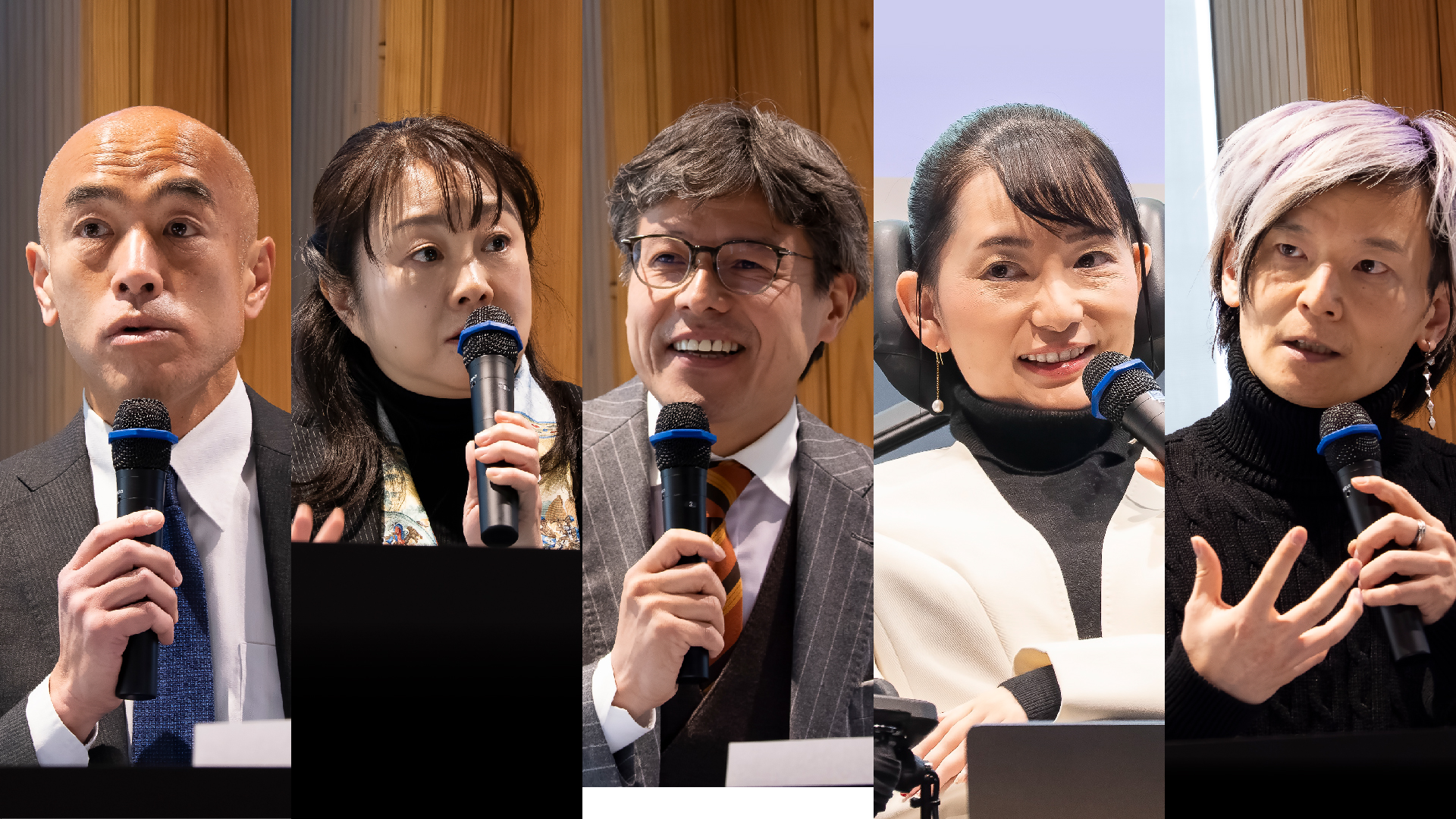
In the morning sessions, input talks were delivered to present perspectives for examining goals and targets for Beyond SDGs, ahead of the afternoon’s six working group discussions. Five experts, primarily from academia, presented wide-ranging points of discussion from their respective positions, covering topics such as the relationship between climate change and the socio-economy, synergies and trade-offs, education and justice, disability and human rights, and experiences from Expo 2025 Osaka, Kansai.
Framework Connecting Science and Society Considered from the Structure of Climate Change Issues
Kiyoshi Takahashi (Head, Social Systems Division, National Institute for Environmental Studies)
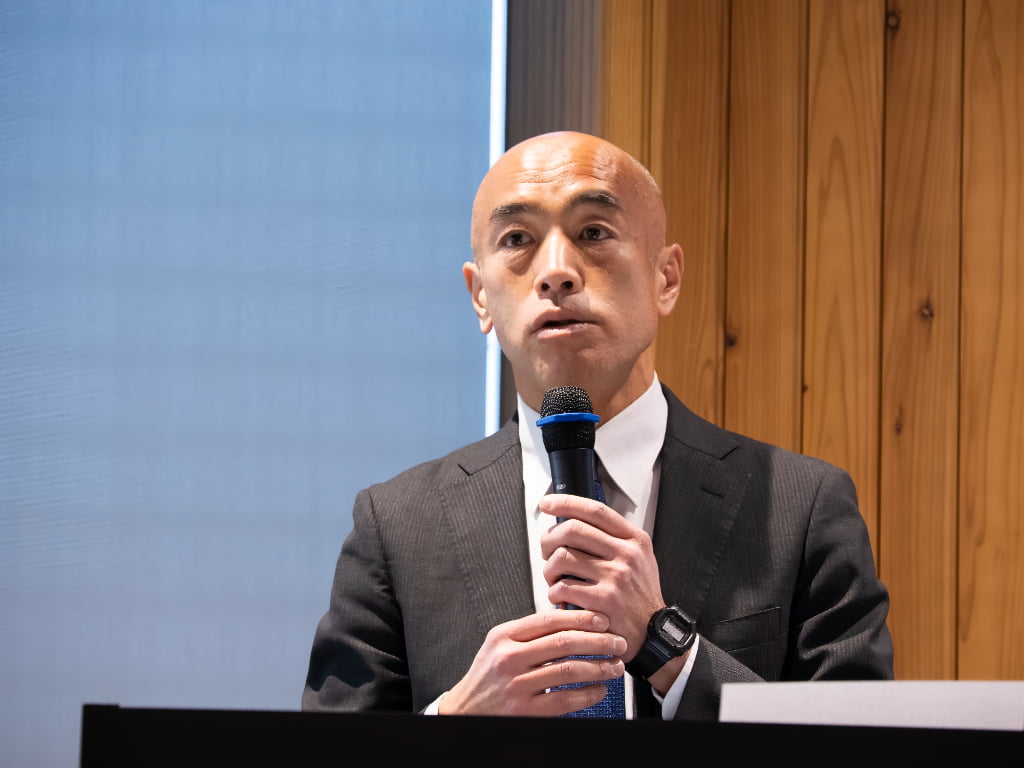
What is presented in this paper is an outlook based on research outcomes that examined how “simultaneous achievement of net-zero targets and Sustainable Development Goals (SDGs)” is possible. Its starting point lies in the recognition that climate change is not merely an emissions issue, but is inseparable from socioeconomic development pathways such as future demographics, economic growth, and technological progress. These socioeconomic preconditions not only dictate emissions, but also influence societal vulnerability affected by climate change. For example, if economies and institutions are well-developed, adaptive capacity will increase, but if poverty and lack of governance persist, damage will expand even under the same climate change. In other words, emissions reductions and social development must be designed simultaneously.
According to emissions scenario analysis, if high emissions continue, a temperature rise of 4 to 5°C could occur by the end of this century; on the other hand, if emissions reductions are thoroughly pursued, a pathway to limit warming to 1.5°C still remains. However, achieving this requires net-zero emissions around 2050, making large-scale societal transformation indispensable—ranging from energy systems and industrial structures to individual consumer behavior. Climate change countermeasures are insufficient through technical responses alone; they entail a shift in values and social systems.
Furthermore, this research examined the relationship between climate change measures and other SDGs from both sides of synergies (co-benefits) and trade-offs (conflicting relationships). Emissions reductions have a major effect in mitigating impacts on low-latitude, economically vulnerable regions and future generations, alleviating interregional and intergenerational inequities. On the other hand, trade-offs also exist. For example, the expansion of biomass energy competes with agricultural land, raising concerns about increasing hunger risks through rising food prices. There are also cases where land-use conversion conflicts with biodiversity conservation. Therefore, when strengthening climate measures, a multi-layered design that combines redistribution policies, food assistance, and ecosystem conservation measures as a package is essential.
In addition, possibilities have emerged for interventions—such as food system transformations—to bring positive impacts across multiple goals. Transitioning to protein sources with lower environmental footprints can contribute to climate action, health improvement, and resource efficiency. However, realizing this requires consideration of regional cultural and economic conditions, demanding approaches tailored to each region rather than imposing a single global solution.
In conclusion, for the design of Beyond SDGs, integrating a “scientific foundation” that quantitatively evaluates interactions among multiple goals with “social value judgments” regarding which goals to prioritize and which trade-offs to accept is indispensable. Scientific models show necessary conditions, but the final choice is entrusted to society’s responsibility. Building a robust framework that closely links natural sciences with the humanities and social sciences to connect science and society is precisely what is required now.
Presentation materials are available here
Toward a Structure That Maximizes Synergies and Visualizes and Mitigates Trade-offs
Yoko Takimoto (Project Assistant Professor, Graduate School of Media and Governance, Keio University)
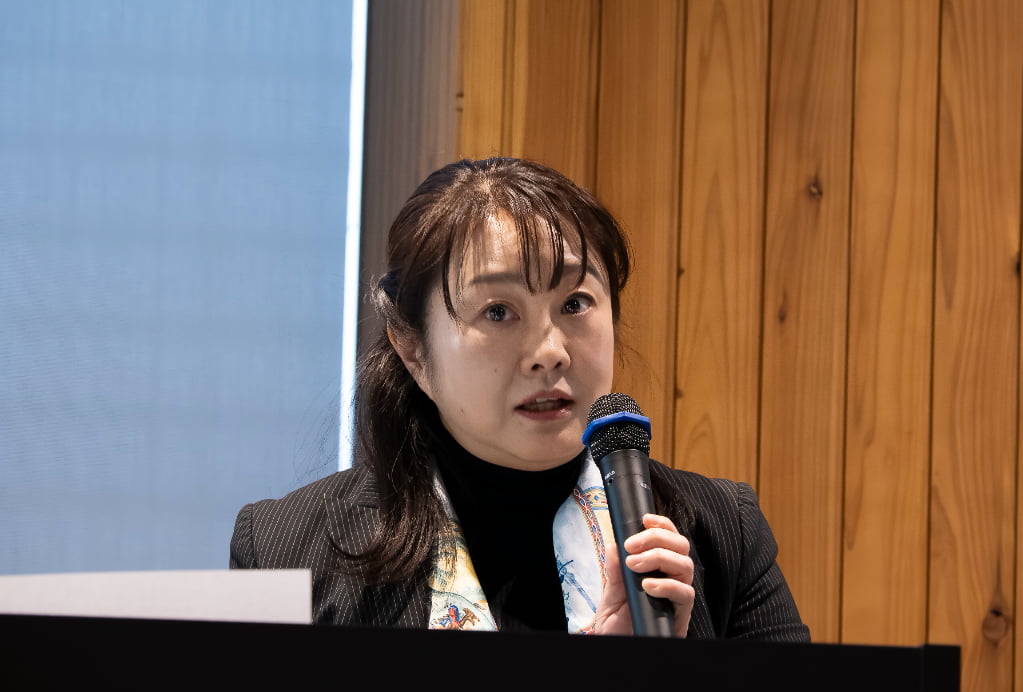
In this forum, I present a perspective for considering Beyond SDGs from the viewpoint of synergies and trade-offs among SDGs. Multiple international reports and studies present us with the stark reality that pursuing SDGs as individual targets is insufficient, and achieving them will be difficult without designing on the premise of interactions among goals. According to analyses by the GSDR (Global Sustainable Development Report), IPCC (Intergovernmental Panel on Climate Change), and UNEP (United Nations Environment Programme), while clear co-benefits exist, overlooked trade-offs lurk in various places.
Against this background, in what specific areas should we manage these complex interactions? I will consider the core points of discussion from six major aspects.
The first point of discussion is the nature of a sustainable and just economy. Digitalization, renewable energy, and the widespread adoption of EVs generate clear synergies that simultaneously promote economic growth and decarbonization. However, on the other hand, they drive a surge in demand for rare metals such as lithium and cobalt, causing water pollution and health hazards in mining regions. We need to rigorously question whether the expansion of the green economy is imposing a concentrated burden on specific regions.
Second is the decarbonization of energy. The expansion of renewable energy brings the important benefit of improving energy access, but at the same time creates new resource constraints required for storage batteries, power grids, and digital control. Having the perspective that decarbonization policies themselves generate new interactions is indispensable.
Third is building sustainable cities. Compact city development promotes efficiency and low carbonization, but careless urban sprawl risks leading to the conversion of surrounding farmland and ecosystem degradation. Institutional design is required so that internal urban synergies do not manifest as trade-offs in surrounding regions.
Regarding the fourth point, conserving the global commons, while natural conservation contributes to disaster prevention and local economies, it also entails constraints on land and resource use. Concrete institutional design addressing who should bear these conservation costs and at what scale is essential.
Fifth is enhancing human well-being. Enriching education and healthcare leads to economic revitalization, but the resulting expansion of consumption and increased demand for resources may increase environmental burdens. The question is how to expand human capabilities in a way that does not rely on environmental degradation.
Finally, there is the governance challenge that oversees all of these. Behind the inability to fully control trade-offs lie siloed policies, short-term performance orientations, and a lack of consideration for future generations. An integrated design that is cross-sectoral and includes a time axis is indispensable.
The SDGs are now transitioning from a stage of simply aiming to achieve goals to a stage of designing the interactions among goals themselves. In Beyond SDGs, structural design that maximizes synergies while visualizing and mitigating trade-offs will be the core.
Structural Transformation Through a Trinity Approach of “Technology,” “Institutions/Regulations,” and “Education”
Yuto Kitamura (Professor, Graduate School of Education, The University of Tokyo)
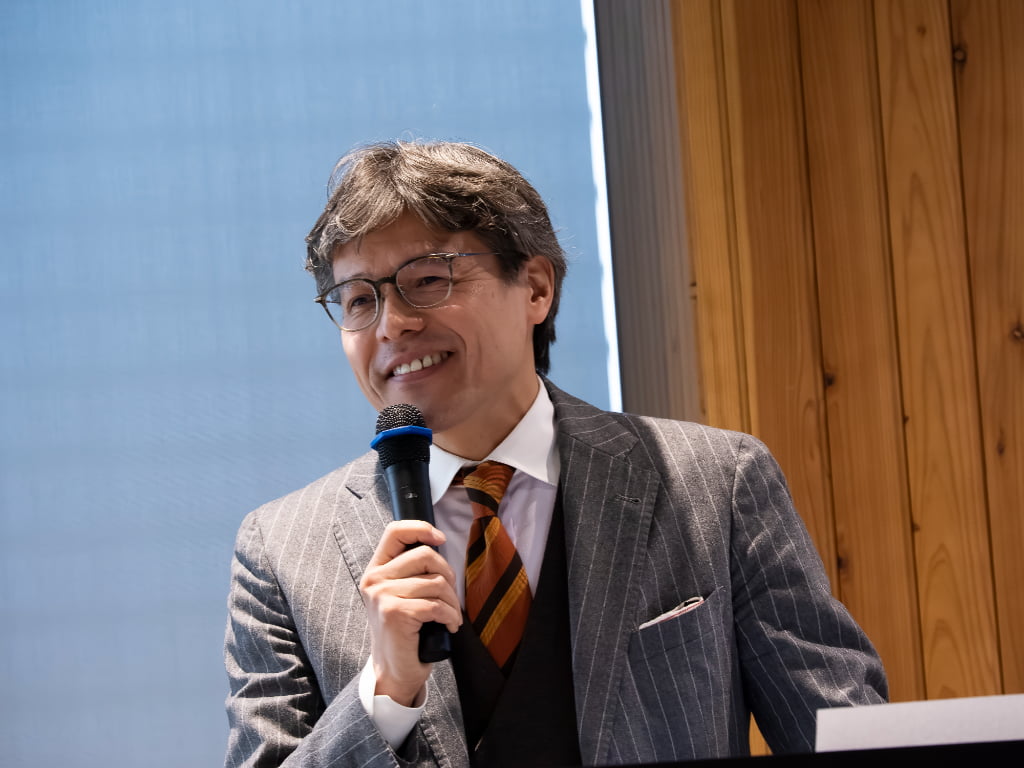
In this forum, I will speak about key perspectives when considering Beyond SDGs. My specialty is Education for Sustainable Development (ESD) and citizenship education, but this time I would like to consider this from the perspectives of “trade-offs” and “justice.”
First, what is a trade-off? Take the plastic issue as an example. Plastic is discussed as a symbol of environmental burden, but it is also an indispensable material supporting our daily lives, particularly food distribution. Simply denying it by saying “do not make it, do not use it” is unrealistic. What is important lies in “how to manage and dispose of it.” Just as the main cause of marine pollution in developing nations lies in inadequate waste management, I believe the real problem resides not only in the material itself, but in the social institutions and values surrounding it.
The structure of the SDGs can be understood through a three-tiered structure: human sustainability, social sustainability, and the environment surrounding them. Basic human issues such as poverty, education, and gender will continue in the future. However, the innovation of Beyond SDGs lies in how we redesign the underlying society and environment.
Behind the spread of the SDGs in Japan is the concept of “jibungoto” (making it a personal matter). Viewing global issues not as someone else’s business, but as one’s own concern. This is not merely moralistic; it connects with psychological insights that people feel greater happiness when acting for others. The essence of well-being is not unrelated to altruistic behavior. Furthermore, the concept of justice is also important. As shown by the well-known “baseball game illustration,” “equality” (distributing the same footstool to everyone) and “equity/justice” (adjusting distribution according to need) are different. However, if the structure remains unchanged, an idea to change the “structure” itself—where someone has to use a footstool—becomes necessary. Instead of distributing taller stands, changing the fence itself into a chain-link fence that does not block the view—moving away from mechanisms that concentrate burdens on someone and redesigning from the structural level—is precisely the direction Beyond SDGs should aim for.
To achieve this, a trinity approach combining technology (Engineering), institutions/regulations (Enforcement), and education (Education) is indispensable. For example, the reason traffic safety in Japan has improved significantly over the past 50 years is because these “3Es” were combined. Similarly for climate change and sustainability challenges, we must advance not only technological innovation, but institutional design and shifts in culture/awareness simultaneously. Furthermore, the future of research is also being questioned. A transdisciplinary approach that involves not only experts but citizens and diverse entities is required. Beyond SDGs is a task of resetting goals, while simultaneously being a task of redesigning mechanisms for participation.
The SDGs are now shifting from the goal-achievement stage to the structural transformation stage. Whether each individual can exercise imagination as a personal matter and design institutions that do not force burdens onto someone—I believe that will determine the sustainability of the next era.
Presentation materials are available here
Toward a Future Where Everyone Can Become an “Active Agent” of Society
Yuriko Oda (Representative Director, Certified NPO WheeLog / Representative Director, NPO PADM)
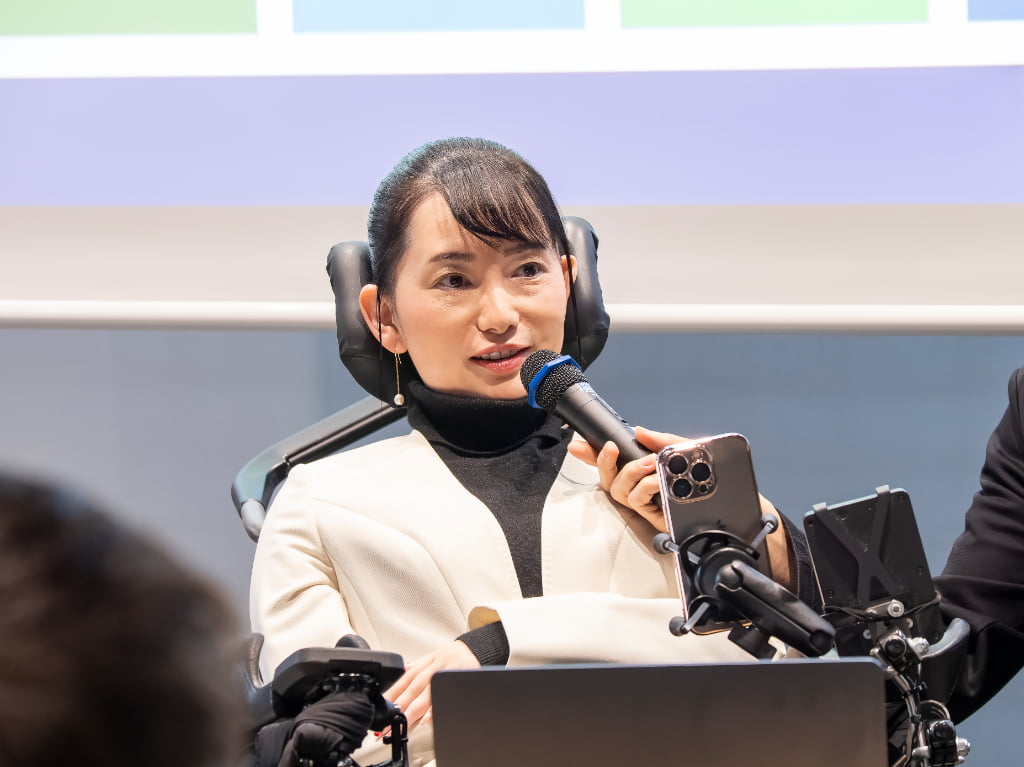
In this forum, I would like to consider Beyond SDGs from the perspective of “from welfare to human rights” from the position of a person with disabilities. I myself acquired a disability later in life, and currently live a life where my limbs do not move and I constantly require assistance. However, precisely because of that position, there are social issues that I can see.
Released in 2017, “WheeLog!” is an app where everyone shares barrier-free information to make going out easier for wheelchair users and everyone else. Under the slogan “Your ‘I could go’ becomes someone’s ‘I want to go,'” we collect travel logs and spot information. The realization that even with a disability, I could contribute to society by sharing information became a major turning point for me.
When I first heard the phrase “leave no one behind” championed by the SDGs, to be honest, I felt that I was positioned on the “side being helped.” However, isn’t true inclusiveness about everyone becoming an “active agent” of society, rather than merely being objects of support?
Until now, barrier-free efforts in Japan have mostly been discussed in the context of welfare, remaining at the mindset of “providing accommodations if possible.” However, moving freely and participating in society is inherently a “human right” itself. Current realities—such as newly constructed shops retaining step obstacles or slope installations being refused due to economic rationality—demonstrate that society’s institutional design has not yet reached human rights standards.
A society without steps benefits not only wheelchair users, but senior citizens, stroller users, and even automated delivery robots—all kinds of entities. In other words, barrier-free design is not a special measure for specific people, but an infrastructure development supporting the sustainability of society as a whole.
Moreover, economic rationality and human rights are by no means conflicting concepts. Rather, economic growth and technological innovation hold the potential to dramatically improve the living environment of persons with disabilities. That is precisely why Japan should show the world a “Beyond GDP” model that expands the definition of economic rationality and incorporates human rights perspectives.
Beyond SDGs is not merely a task of updating goals. It is a fundamental shift in awareness to transition from a society that keeps someone as an “entity to be protected” to one where everyone is an “entity that creates society.” From welfare to human rights. I am convinced that this shift in mindset will become the unshakeable foundation supporting the sustainability of the next era.
Presentation materials are available here
Dynamic Questioning Process Learned from the Experience of Expo 2025 Osaka, Kansai
Hiroaki Miyata (Professor, Department of Health Policy and Management, School of Medicine, Keio University)
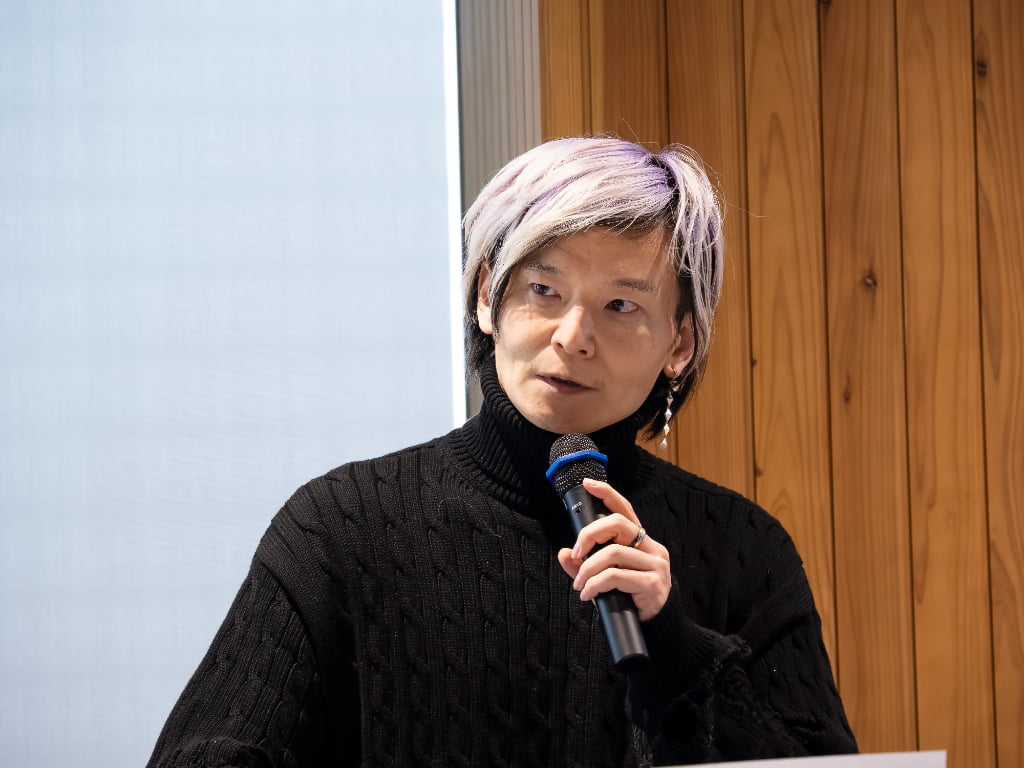
Expo 2025 Osaka, Kansai served as a grand social experiment toward Beyond SDGs. At its core was the framework of “Theme Weeks.” This was an attempt to respect the SDGs while reconstructing them not as 17 static goals, but as questions for the future. The Expo transformed from a place to merely “see answers” into a place to “think about how to envision the future.” As indicated by the phrase “For the Futures” presented at the closing ceremony, a structure was intended there to imagine diverse futures and take them on as personal concerns.
The seven established themes present perspectives that go beyond the SDGs. In the first theme, “Earth and Biodiversity,” carbon neutrality was viewed not as an end but as a means, posing the question of how to coexist with the Earth on a 100-year scale beyond that. Going beyond anthropocentrism, a perspective that reconceptualizes the connection of life from a post-human point of view is required. In the second theme, “Health and Well-being,” a transition was shown from advanced medicine and treatment-centered thinking to a society where health is naturally nurtured within daily life. An inclusive design where life’s possibilities are not closed off even with disabilities or illnesses is indispensable.
The third theme, “Peace and Human Rights,” reawakened awareness that domains often placed outside economic rationality are the very foundation of sustainability. It emphasizes the importance of the host nation itself acknowledging challenges and demonstrating an attitude to learn. In the fourth theme, “Learning and Playing,” it was shown that in the era of generative AI, a transition is required toward education that nurtures curiosity and the ability to create value, not just the acquisition of knowledge.
In the fifth theme, “Food and Lifestyles,” a perspective was presented showing that the act of living is already within a global chain, rediscovering sustainability rooted in history and regional memory through food and culture. In the sixth theme, “Communities,” the importance of cities connecting with the future centered on unique identities was discussed, and in the seventh theme, “Culture,” culture was repositioned not as an object of preservation, but as a driving force to carve out the future. Each individual’s purpose in life and radiance is the very core of sustainability.
What the Expo presented was not static goals, but a dynamic “process” of continuing to ask questions while looking up at the future together. The experience of diverse nations looking up at the sky under the Grand Ring symbolized the philosophy of “Unity in Diversity.” I believe Beyond SDGs is not about updating targets, but transforming the “structure” itself to co-create the future.
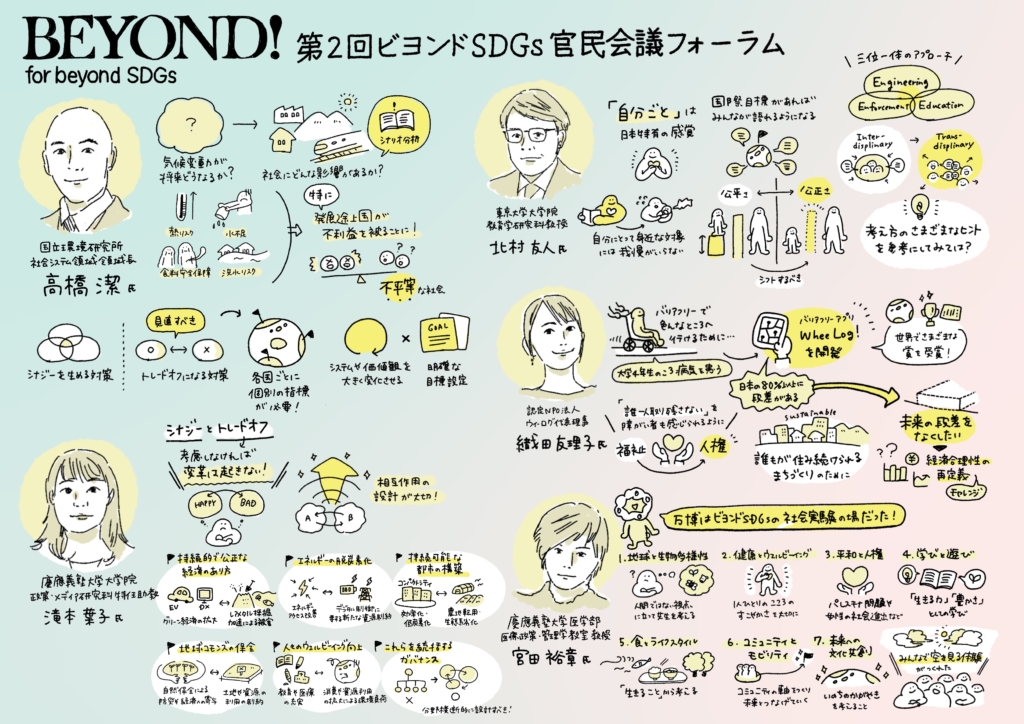
Photo: Tokuhiro Watari
Coverage: Impress Sustainable Lab “SDGs White Paper” Editorial Department
Graphic Recording: Sayaka Taniko (GREAT WORKS)
Click here for the 2nd Public Private Forum on Beyond SDGs: Forum Report 【Opening】
Click here for the 2nd Public Private Forum on Beyond SDGs: Forum Report 【Reports from 6 Working Groups】