
2nd Public Private Forum on Beyond SDGs: Forum Report 【Opening】
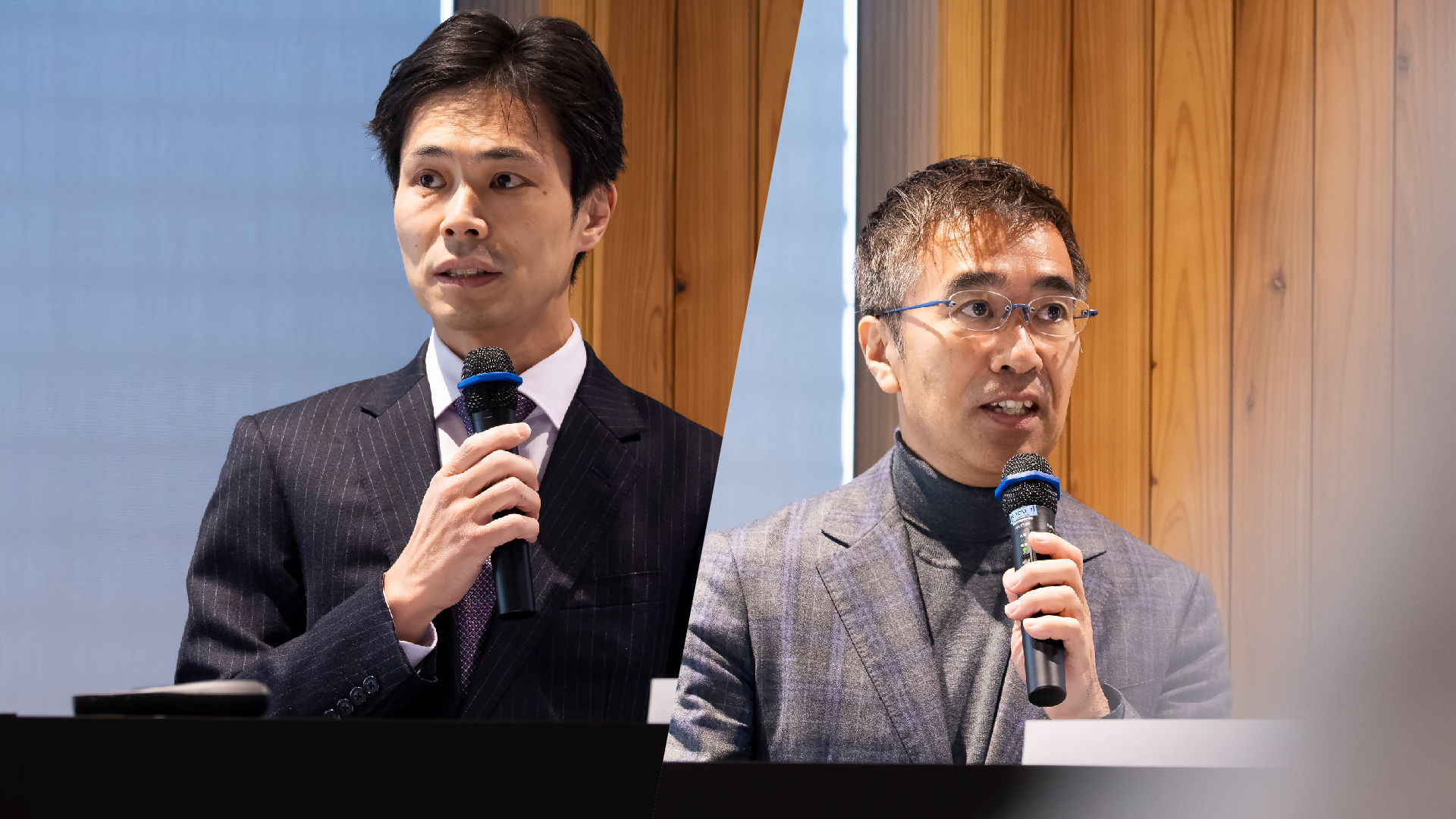
Ahead of the United Nations beginning the formulation of the next goals for the SDGs in 2027, the 2nd forum of the “Public Private Forum on Beyond SDGs” was held on February 6, 2026, where diverse entities participated to synthesize recommendations from Japan and Asia. At the beginning, Keita Takahashi, Director of the Global Issues Cooperation Division at the Ministry of Foreign Affairs, delivered remarks touching upon the international situation surrounding the SDGs and the significance of multi-stakeholder initiatives in Japan. Following this, Norichika Kanie, Chairperson of the Public Private Forum on Beyond SDGs, raised questions regarding the necessity of considering the vision for society beyond 2030 while taking into account the challenges of the SDGs.
Opening Remarks
Keita Takahashi (Director, Global Issues Cooperation Division, Ministry of Foreign Affairs / Director, Public Private Forum on Beyond SDGs)
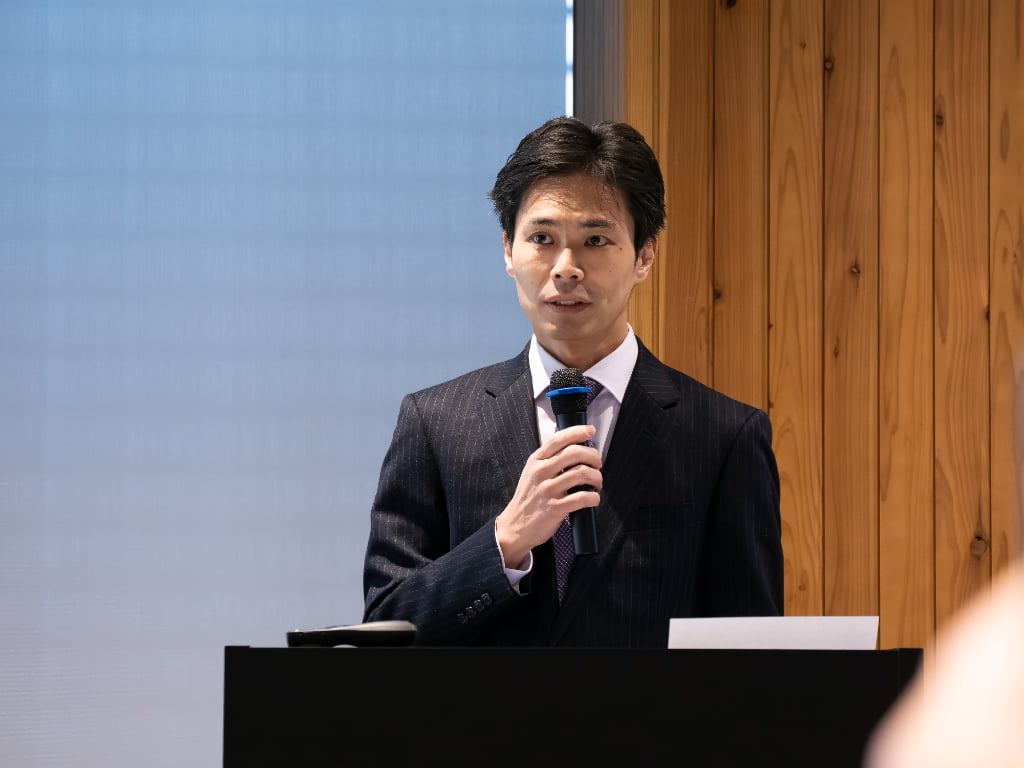
On the occasion of holding this meeting, I would like to express my heartfelt gratitude to Professor Kanie of Keio University, the Secretariat, and everyone involved for their tremendous efforts.
Seeing so many people gathered here from early in the morning is a testament to the high level of interest in what the economy and society beyond 2030 should look like.
Currently, the international situation is extremely uncertain. In a world where conflicts in various places and funding shortages facing the UN itself are occurring, things we once took for granted are gradually becoming no longer taken for granted.
However, I think this is an opportunity to pause and consider what was good, what was bad, and what truly taking things for granted means. With four years remaining until 2030, now seems to be just the right time.
I believe the SDGs should be highlighted for having been adopted by consensus at the United Nations. On the other hand, I think there are also various challenges—such as whether the SDG targets are aligned with the present era, whether the means of implementation are sufficient, and whether the high awareness of the SDGs reported in Japan has truly led to high-impact achievements. Keeping these challenges in mind, I hope you will consider what society beyond 2030 should be like.
In July last year, Japan presented its Voluntary National Review (VNR) at the United Nations. This was Japan’s own reflection on its SDG progress presented at the UN. In the published report, we established a dedicated chapter written by members of the government’s SDGs Promotion Roundtable. Furthermore, some of the participants attending this meeting also joined UN meetings to promote Japan’s initiatives.
I believe a key feature of SDG promotion in Japan is its multi-stakeholder approach—that many people, not just the government, engage in the process. In that sense, I believe the role of this Public Private Forum is extremely significant.
On the Development of the Public Private Forum
Norichika Kanie (Professor, Graduate School of Media and Governance, Keio University / Chairperson, Public Private Forum on Beyond SDGs)
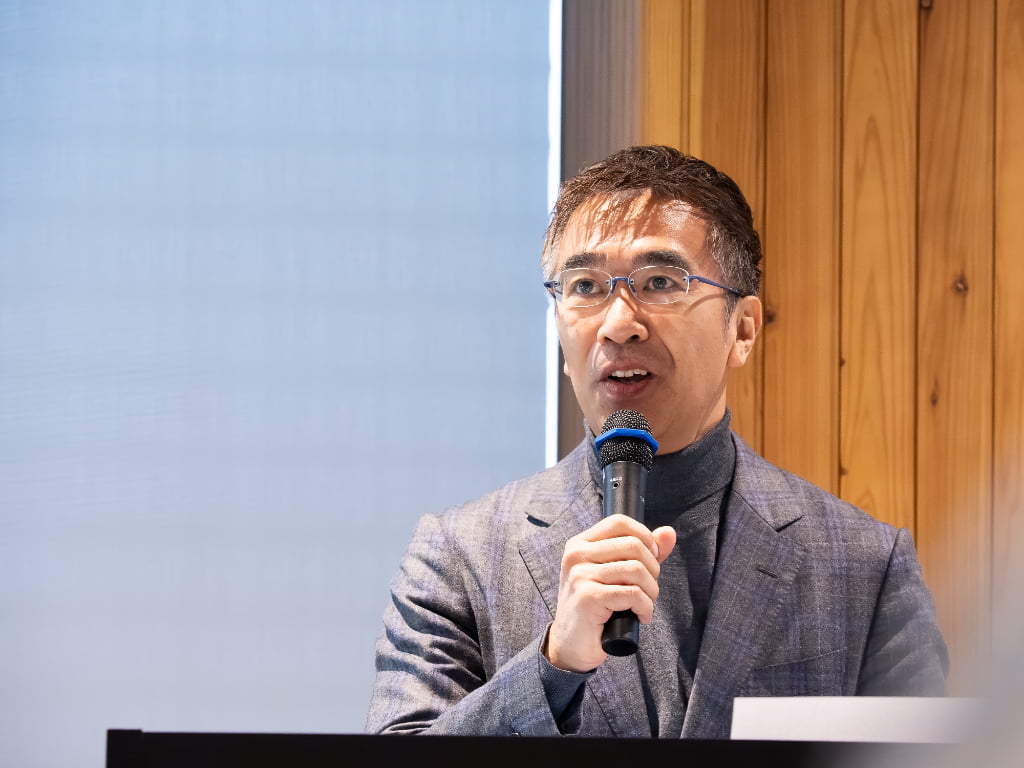
Current Status and Structural Limits of the SDGs
The SDGs have entered the final phase leading up to their 2030 deadline. However, according to the latest UN reports, targets expected to be achieved on the current trajectory account for only about 35% of the total, while the remaining 65% require major course corrections. The SDGs are now at a juncture where they are in their final stage of execution, while simultaneously their structural limitations are becoming apparent. Based on this reality, how we envision the era beyond 2030 has become a crucial challenge.
Currently, global conditions are undergoing major shifts. Geopolitical tensions and fragmentation are progressing, and the foundations of multilateralism are shaking. Meanwhile, rapid advancements in AI, digital technology, space, and other fields are fundamentally transforming the state of society. Discussions on sustainability are inseparable from these structural changes. The question is how to face new technologies while maintaining the framework of international cooperation.
Japan’s Journey and Warnings from Scientific Evidence
Japan published its Voluntary National Review (VNR) last year, clarifying its stance to continue promoting the SDGs. At the same time, it indicated that it will connect these achievements to the post-2030 agenda. Public awareness of the SDGs at the citizen level in Japan is extremely high, underpinned by the broad engagement of local governments, businesses, and civil society. This accumulation of multi-stakeholder collaboration is Japan’s strength, and leveraging dialogue among these diverse entities is vital when envisioning the next framework.
On the other hand, scientific evidence presents a grim outlook. The Paris Agreement’s 1.5°C goal is effectively being exceeded, and impacts on extreme weather and food production are becoming tangible. The “narrow corridor” highlighted by the Earth Commission suggests that the path to maintaining a safe and just Earth system is extremely narrow. To simultaneously achieve temperature suppression, ecosystem conservation, and equitable resource allocation, continuing past trends is insufficient.
Envisioning “Beyond GDP” with 2030 as a Waypoint
The Global Sustainable Development Report (GSDR) 2023, which I co-authored, concluded that achieving the SDGs by 2030 under existing scenarios is difficult, and at best will require a 2050 timeline. In other words, 2030 must be viewed not as an endpoint, but as a waypoint toward a longer-term transition, requiring fundamental measures such as coal phase-out, subsidy reform, and carbon pricing.
At the core of this lies the discussion on “Beyond GDP.” Indicators centered on GDP cannot adequately capture well-being, inequality, or environmental impact. Therefore, the High-Level Expert Group presented a new evaluation framework based on three main pillars: (1) well-being, (2) equity and inclusiveness, and (3) environmental sustainability. What is important is ensuring flexibility tailored to each country’s culture and circumstances while maintaining global common principles. Bottom-up target setting will be the key to the next framework.
Toward Building an Effective Next Framework
While aiming to implement these new evaluation axes, Beyond SDGs stands on the premise that looking beyond 2030 serves as an opportunity to redesign current actions. Discussions will not remain confined domestically; we will secure an international perspective through collaboration with Asia, Geneva’s Beyond Lab, and ASEAN. It is crucial that discussions originating from Japan do not end up being inward-looking.
In addition, Beyond SDGs is deeply linked to the business environment. As demonstrated by Unilever and Mastercard during the formulation of the SDGs, positioning corporate strategy within shared goals leads to long-term competitiveness. Sharing larger social goals holds strategic significance for businesses as well.
While a UN-led process is ideal for framework formation, cases like FSC that secure effectiveness through public-private partnerships offer valuable insights for considering future approaches. We need to keep a multi-layered approach in view, including city networks and corporate collaborations.
Future points of discussion will be wide-ranging. What is the core concept? How should the target year be set? How should legal binding force be considered? How can evidence be secured? In which areas can Japan lead? Facing these questions, I believe it is essential to engage in repeated dialogue rather than denial.
Beyond SDGs serves not as a new burden, but as an opportunity to proactively design the future. Inheriting the legacy of Expo 2025 Osaka, Kansai and connecting it to the next international framework requires diverse entities to continuously build free and constructive discussions.
Presentation materials are available here
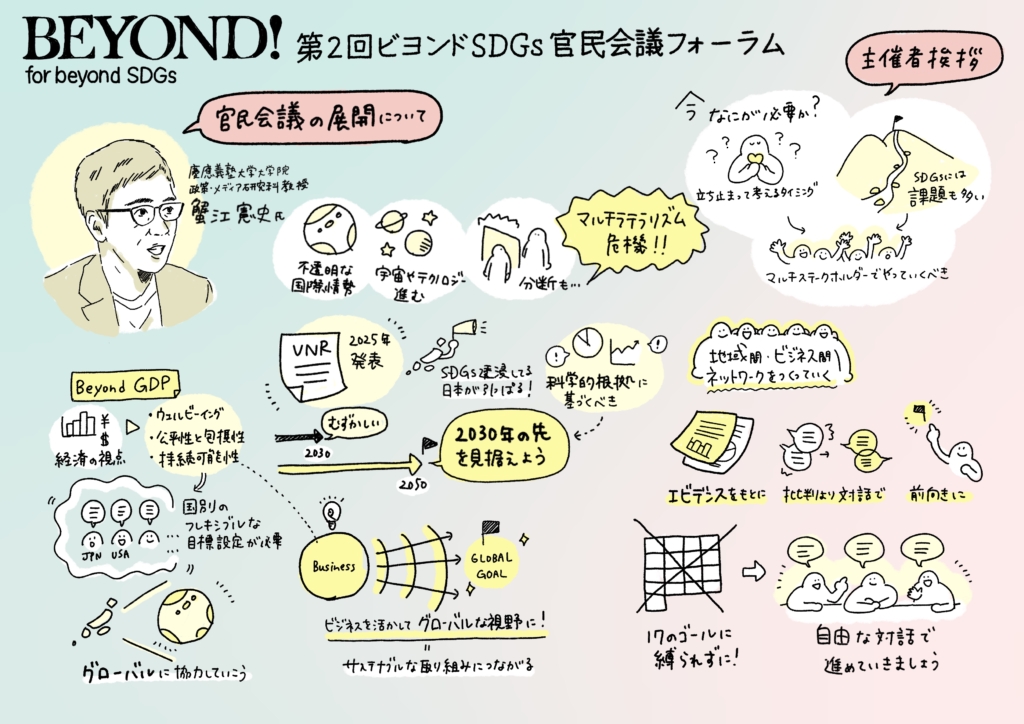
Photo: Tokuhiro Watari
Coverage: Impress Sustainable Lab “SDGs White Paper” Editorial Department
Graphic Recording: Sayaka Taniko (GREAT WORKS)
Click here for the 2nd Public Private Forum on Beyond SDGs: Forum Report 【Input Talk】
Click here for the 2nd Public Private Forum on Beyond SDGs: Forum Report 【Reports from 6 Working Groups】